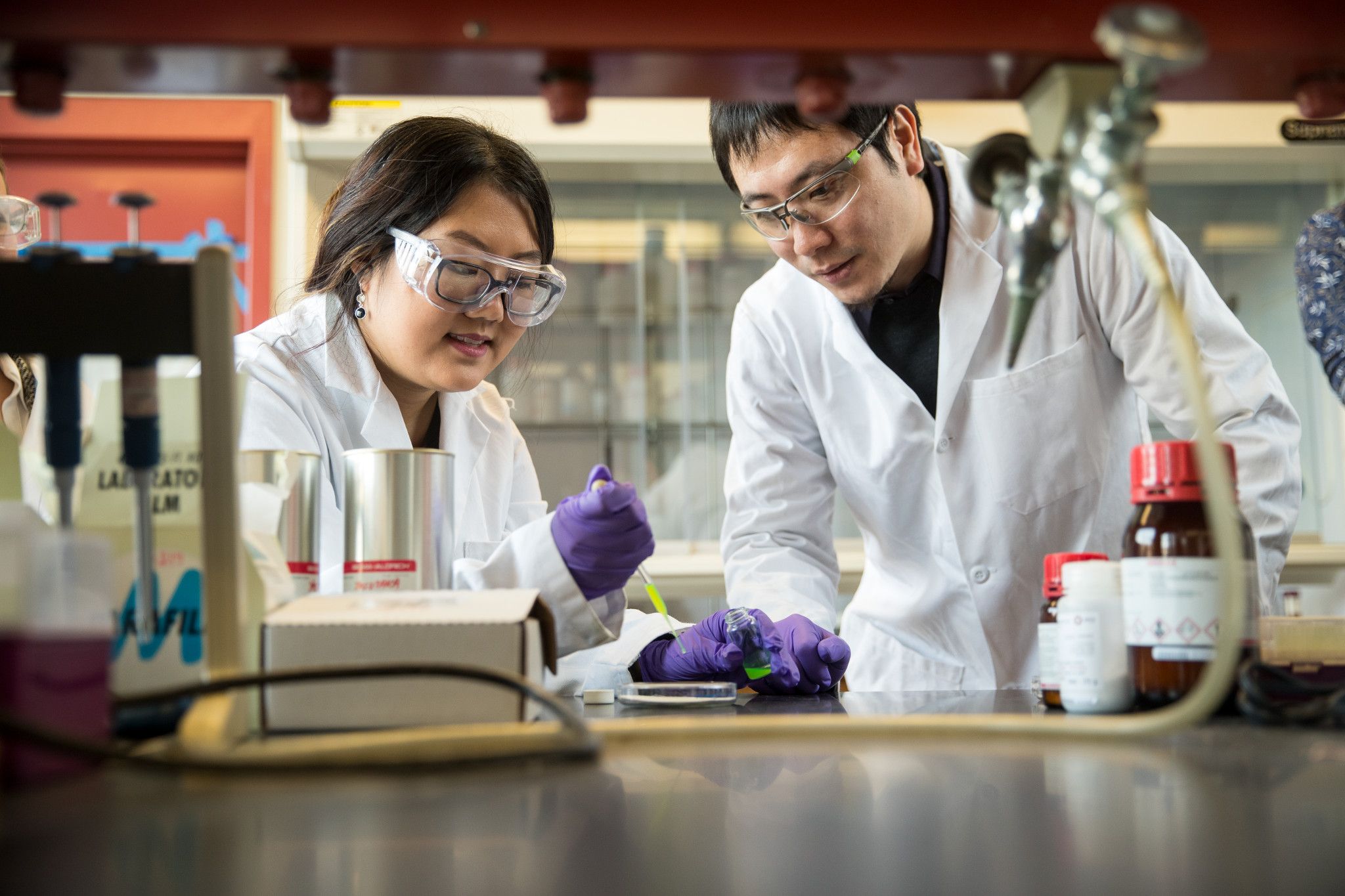
Policy on the Presence of Minors in Research Laboratories
Information regarding the university policy on the presence of minors in research laboratories.

Environmental Health & Safety (EHS) helps ensure a safe campus community and promotes environmental responsibility through partnerships with students, faculty, staff and visitors. EHS provides regulatory compliance assistance, training programs, program development and implementation, technical support, inspections and emergency response services.
Information regarding the university policy on the presence of minors in research laboratories.
The Brown University Drone / Unmanned Aircraft System (UAS) Policy was developed to identify and support authorized UAS use for University related activities.
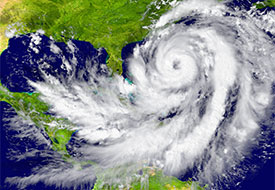
The Brown University Hurricane Plan is designed to provide planning information and procedures for hurricanes.
This program is intended to include all aspects of occupational health and safety as it relates to animal care and use.

The University has developed this guidance to assist in responding to Hostile Intruder(s) on campus.

The Brown EAP was developed to ensure the safety of Students, Faculty, Staff and visitors in the event of a fire or other emergency. The EAP provides information on evacuation procedures, emergency contact information, hostile intruder guidance, sheltering in place and fire prevention.

Whenever 50 or more persons attend an event inside a Brown University property, the individual sponsor or a representative of the sponsoring organization must review the Fire Safety for Events policy prior to the event and assure compliance with the specified procedures before and during the event.
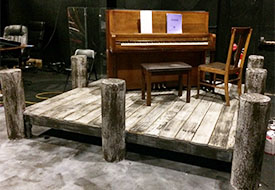
Brown University student groups using machinery, building performance sets and/or using hazardous substances should be in regular contact with EHS and SAO to discuss training requirements and project plans. These student groups are required to adhere to requirements within the Performing & Visual Art Safety Program and develop a safety manual.

Guidance on Brown University principles and communications regarding weather-related closings and delays.
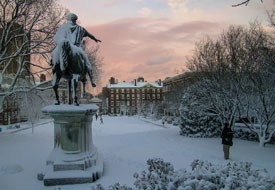
The Winter Storm and Blizzard Plan is written to provide planning information and procedures prior to a winter storm or blizzard event.

MSDSonline is used to manage and access hazardous substance inventories and safety data sheets (SDSs) for departments (non-laboratory) and student groups working with or around hazardous substances.