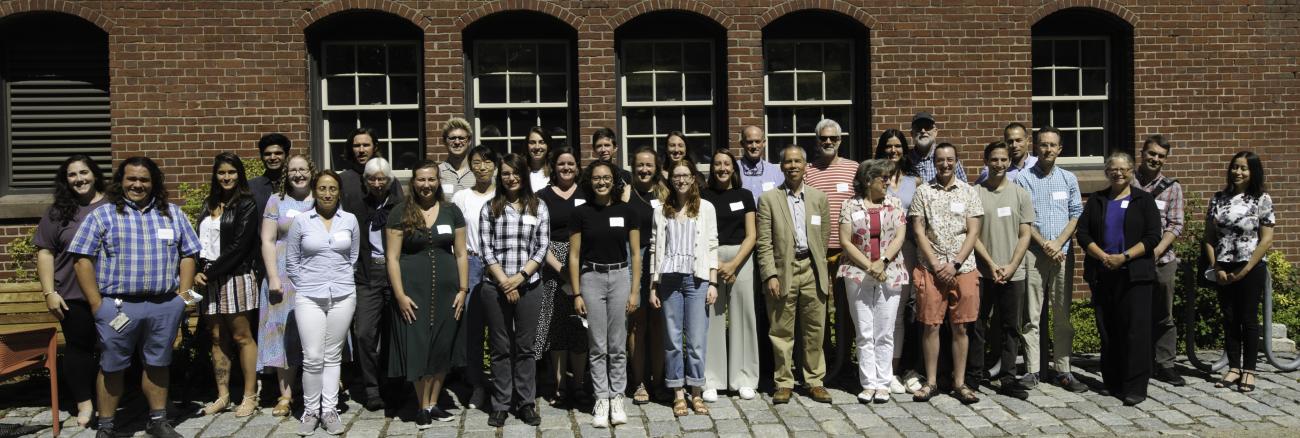
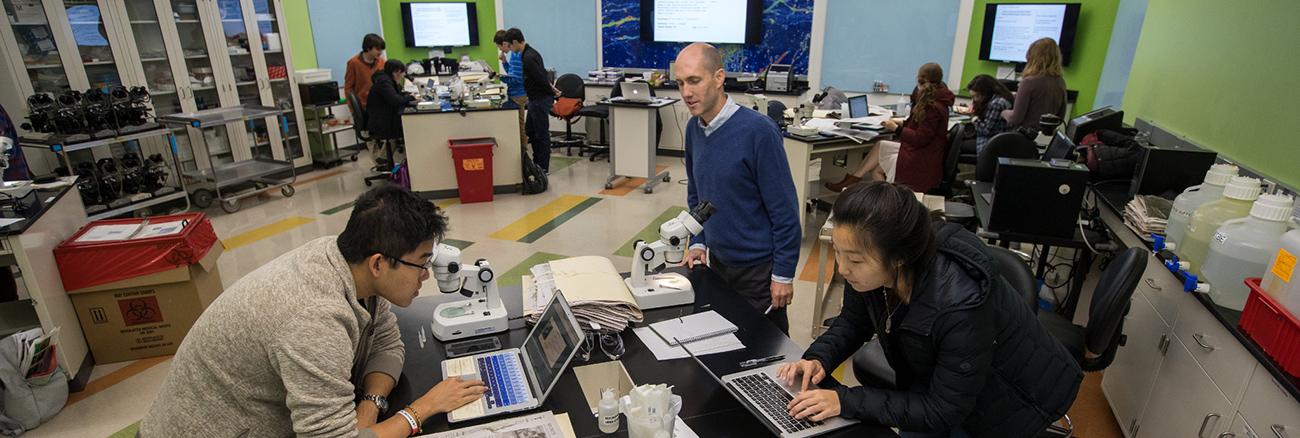

The Department of Ecology, Evolution, and Organismal Biology at Brown University shares a common interest in how organisms function, how they interact with their environments and how the mechanisms that sustain these processes have evolved over time.
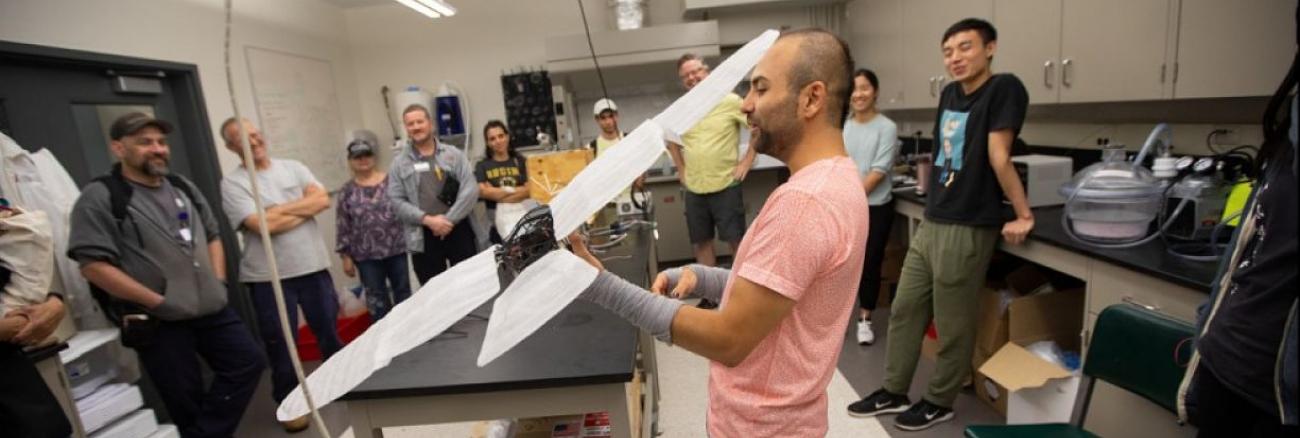
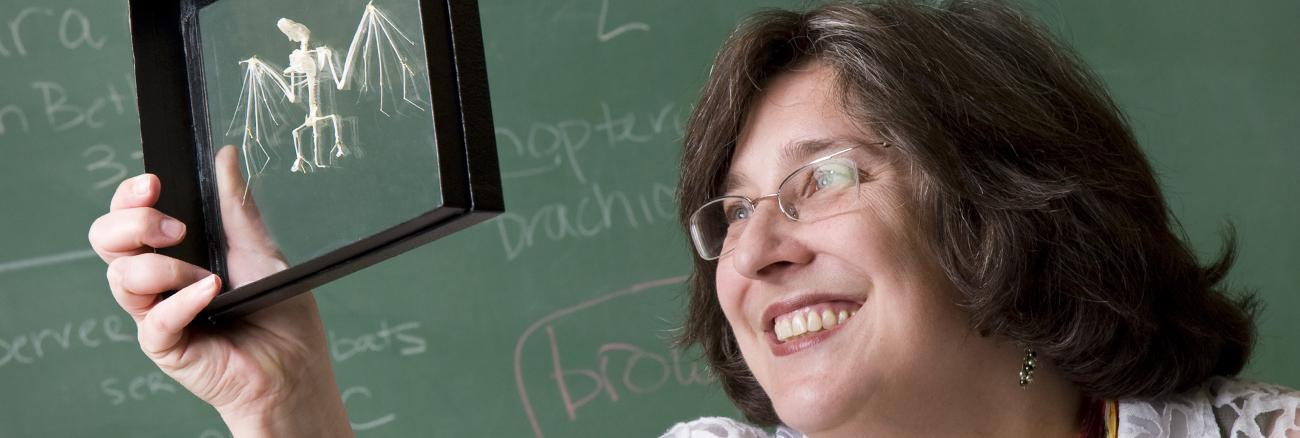
Our work is directed toward understanding biological systems at the gene, individual, population, and community levels of organization. Major conceptual areas pursued by our department include animal locomotion and functional morphology, ecology of marine and terrestrial communities, conservation biology and environmental science, and population and evolutionary genomics. We study a wide variety of organisms - both living and extinct - spanning the tree of life, including microbes, plants and algae, marine invertebrates, terrestrial arthropods, reptiles, birds, and mammals, including humans.
Learn more about us Meet our faculty