

![]() |
||||||||||||
|
|
||||||||||||
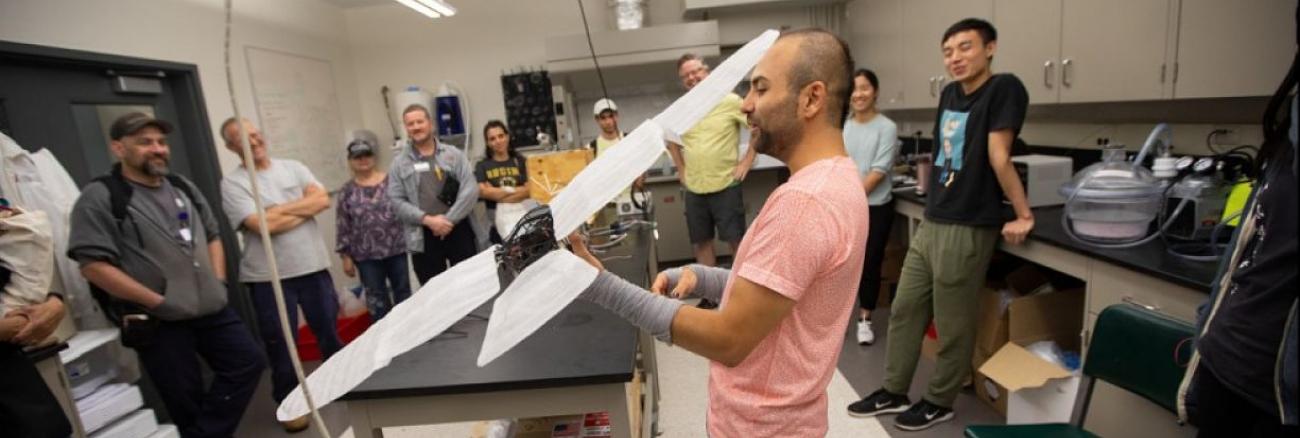
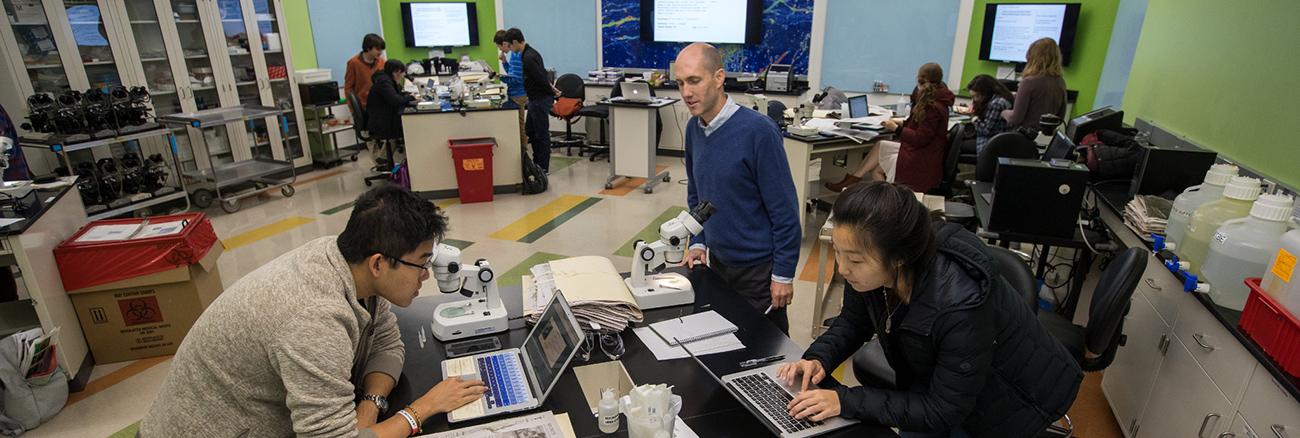
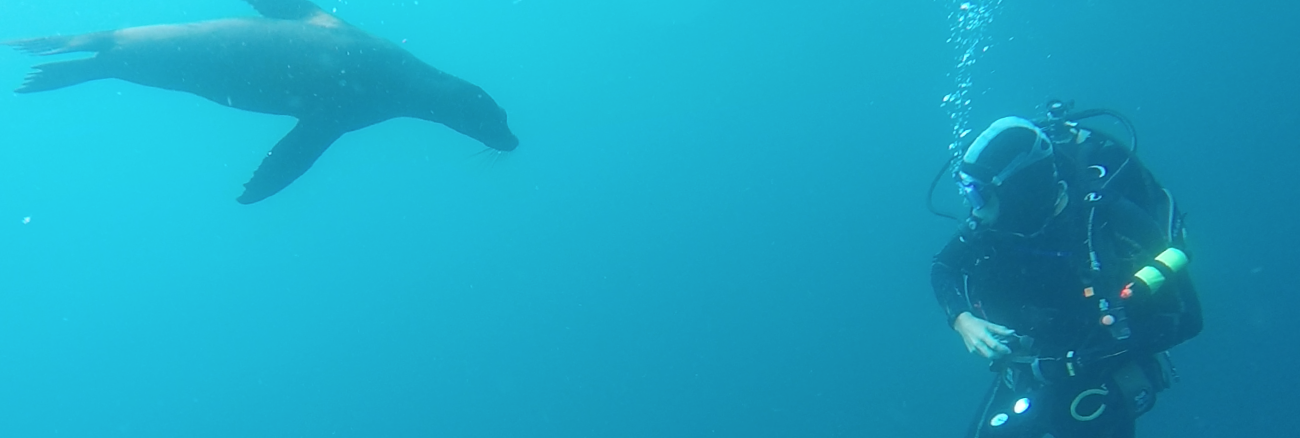
Graduate study in ecology and evolutionary biology at Brown University leads to the Ph.D. degree. It is directed toward understanding biological systems at the individual, population, and community levels of organization utilizing both plant, animal, and microbial systems. Major areas pursued by our group include functional morphology, foraging ecology, the adaptive significance of animal behavior, sexual selection in plants and animals, insect mating behavior, plant population genetics, molecular population genetics and evolution, marine community ecology, theoretical population and community ecology, and ecosystem ecology. We work with a wide variety of plant and animal groups, including terrestrial and halophytic plants, insects and spiders ungulates, reptiles, birds, primates, marine invertebrates, algae, bacteria and viruses. Thus, incoming students may select their advisors from several faculty members working in a wide range of areas. Students also benefit from interactions with members of other programs and departments within the University, especially the graduate programs in Molecular and Cell Biology, Biochemistry, Physiology, Neurocience, Applied Mathematics and Geological Sciences, Engineering, and Computer Science. Independent research begins early in the graduate program, which is designed to prepare students for careers in research and higher education. Each student develops a flexible course of preparation individually arranged to meet his or her specific needs. In addition to course work, students receive much of their training through seminars and colloquia.Seminars each semester address topics of particular interest to current graduate students, and weekly colloquia in each of the graduate programs on campus give students contact with visiting scientists from a wide variety of disciplines. |
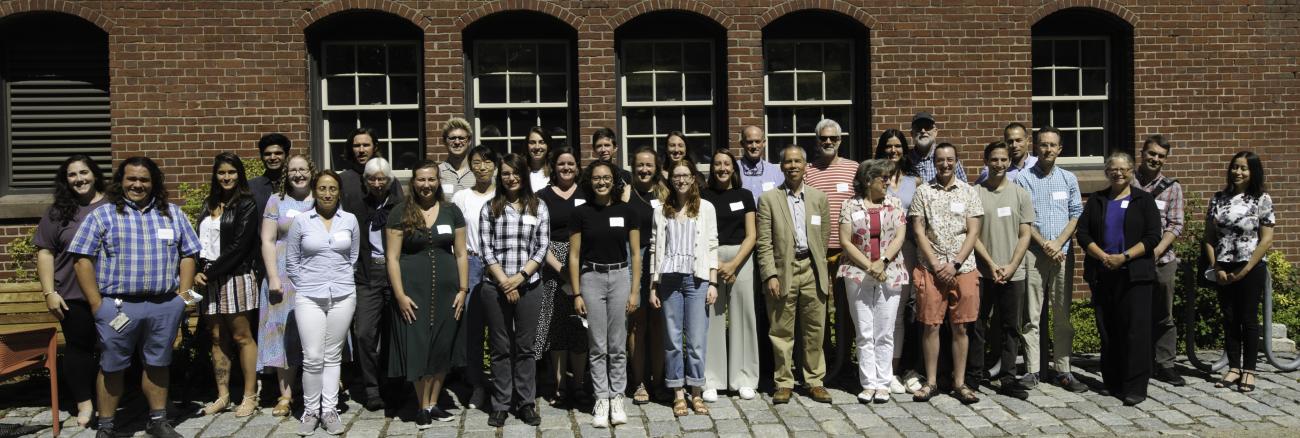
The Graduate Program in Ecology and Evolutionary Biology is centered in Walter Hall and is a closely knit academic family that currently includes 15 faculty members, 26 graduate students, and 12 postdoctoral associates. This small size gives our students the opportunity to interact in a personal and flexible program tailored for students within whole-organism biology, while resources in the other graduate programs on campus simultaneously give students the advantage of a large program. Campus-wide, there are over 25 faculty and 35 graduate students with active interests in organismal biology, addressing problems at all levels of organization. PROFESSOR TOM ROBERTS - FROG JUMPING CONTEST - CHANNEL 10 NEWS |
|||||||||||
80 Waterman Street, Box
G-W, Brown University, Providence, RI 02912 Copyright
© 2003 Brown University. All Rights Reserved. |
||||||||||||