

Message From Sandra L. Barnes, Chair
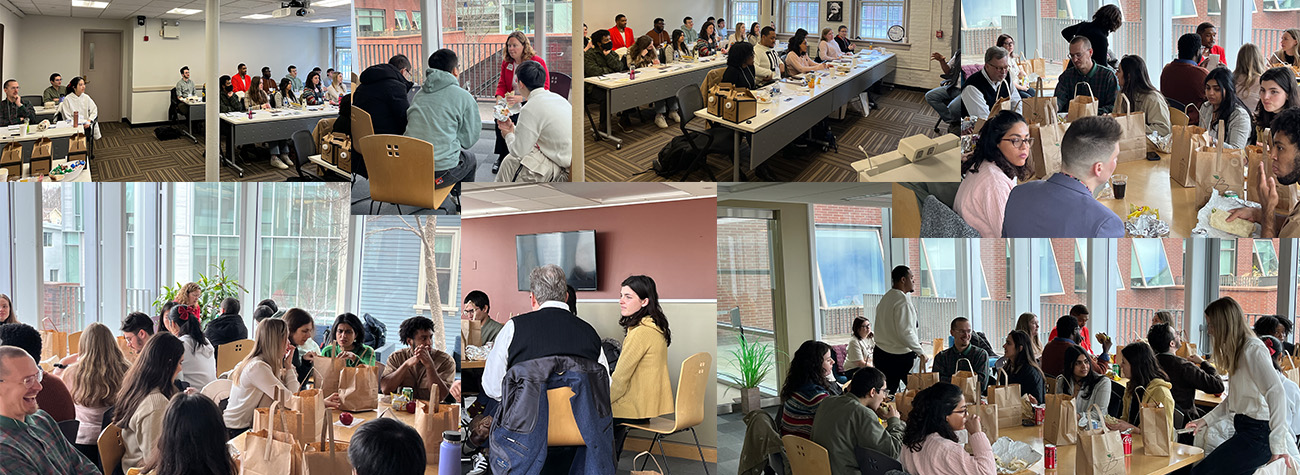
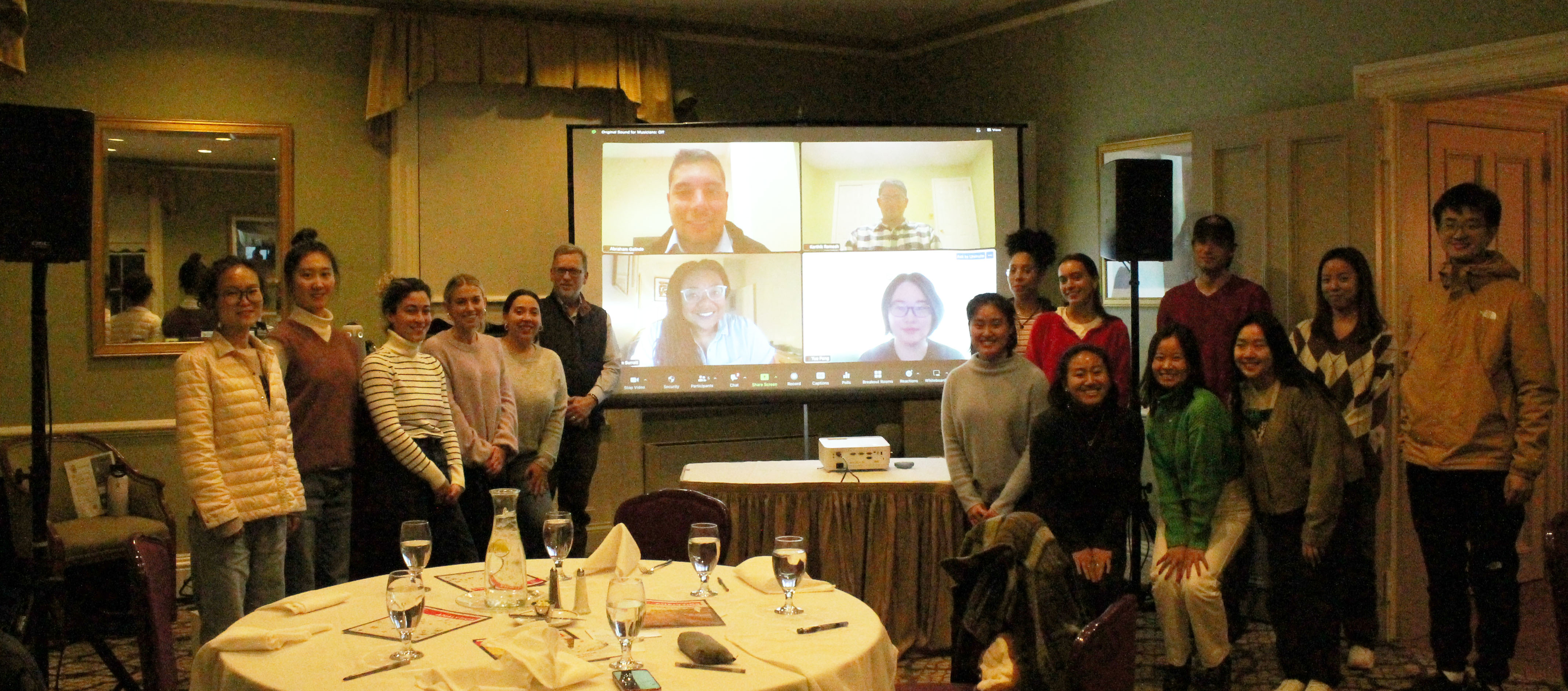
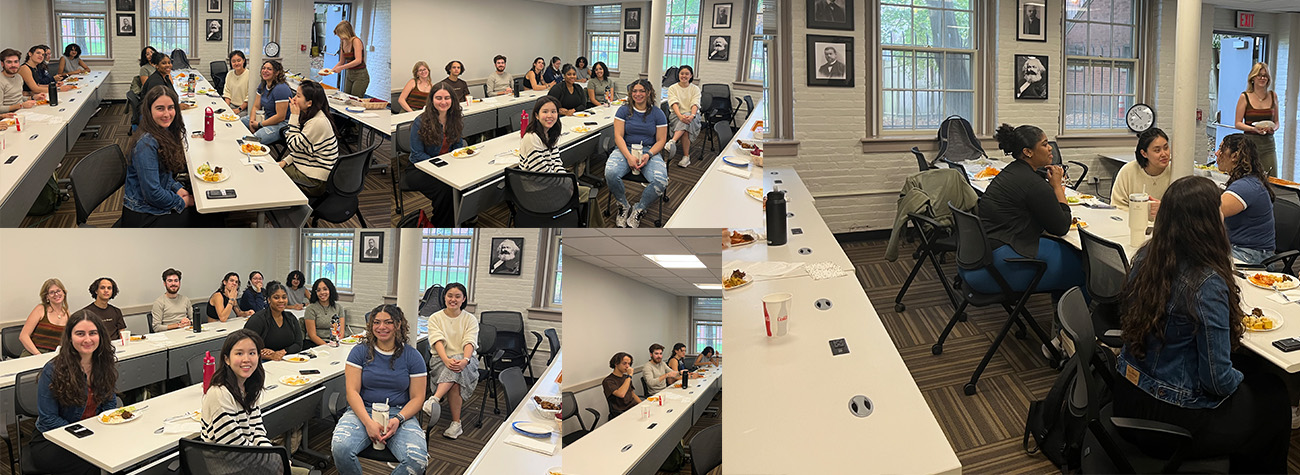
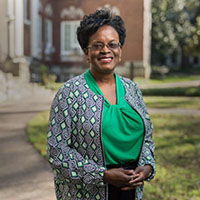 Welcome to the Department of Sociology at Brown University. Since beginning my stint as Chair in January 2022, I continue to be excited by our concerted efforts to make Sociology come alive. Simply put - Sociology is relevant across diverse societal arenas. Our department engages in teaching and research informed by that reality. The Department of Sociology is unique in its intentionality to embed equity, diversity, and inclusion in our personnel, programs, and processes. This means welcoming faculty, staff, and students that represent an array of experiences and backgrounds. This is an ongoing objective to become global citizens by making spaces we exit better than we found them. I invite you to peruse our Diversity & Inclusion webpages and pictorial message, "Sociology Lives at Brown."
The department provides rigorous programs of study at both the undergraduate and graduate levels that allow students to develop professionally and personally. Our undergraduate degree reflects multiple options. These include an A.B. in Sociology that provides a foundational focus on the discipline, a Sc.B. in Social Analysis & Research during which students learn various analysis techniques for use in academic and non-academic posts as well as an Organizational Studies track. Students can also participate in our Master’s degree in Social Data Analytics (Sc.M.). In addition to pursuing advanced degrees, our undergraduates locate positions in areas such as marketing, business, and investments. Graduate students interested in engaging big data using a sociological lens can also avail themselves of the (Sc.M.) experience. This one-year, STEM-designated Master’s program trains students in cutting-edge approaches for data collection and analyses. Some of our graduates enter prestigious PhD programs while others secure competitive posts in government, financial services, and the not-for-profit domain.
Our PhD program provides opportunities to study in areas such as Cultural Sociology, Education, Environmental Sociology, Organizational and Economic Sociology, Political Economy of Development and Globalization, Political Sociology, Social Demography, Social Inequality, Sociological Theory, Sociology of Race, Ethnicity, Sexuality, and Gender, as well as Urban Sociology. Exposure to qualitative and quantitative methods, combined with critical theoretical lenses, position our graduates to make significant contributions inside and outside academia. Our graduates pursue varied careers such as tenure-track professors, postdoctoral fellows, research analysts, demographers, research fellows, and policy analysts - both in the United States and abroad. Moreover, partnerships with research centers and institutes on campus, including the Population Studies and Training Center (PSTC), the Watson Institute for International Studies, the Institute at Brown for Environment and Society, Spatial Structures in the Social Sciences (S4) and Urban Studies, provide additional outlets for forward-facing, innovative engagement.
None of the above opportunities and outcomes would be possible without our community of leading scholars who are committed to exemplary teaching, research, and service. Their efforts center student mentoring and collaborating. Our professors are diverse in terms of scholarly foci, experiences, and expertise. They also provide disciplinary and departmental leadership that is unmatched. This is an exciting time in the life of the Department of Sociology here at Brown. Our strides forward have been many. We are striving to continually meet the nuanced needs of our team members and to ultimately prepare students with knowledge and capacities to contribute to society in positive, productive ways. I invite you to explore our entire website. Come join our community!
Research and Affiliations
Our research and teaching are guided by the systematic and scientific investigation of human behavior and social life. Sociology connects. Sociology clarifies. Sociology empowers students to engage effectively with the world around them. We invite you to join us.
Faculty and students both work within the department and are linked to a variety of research centers and institutes at Brown—such as: