About BOLT

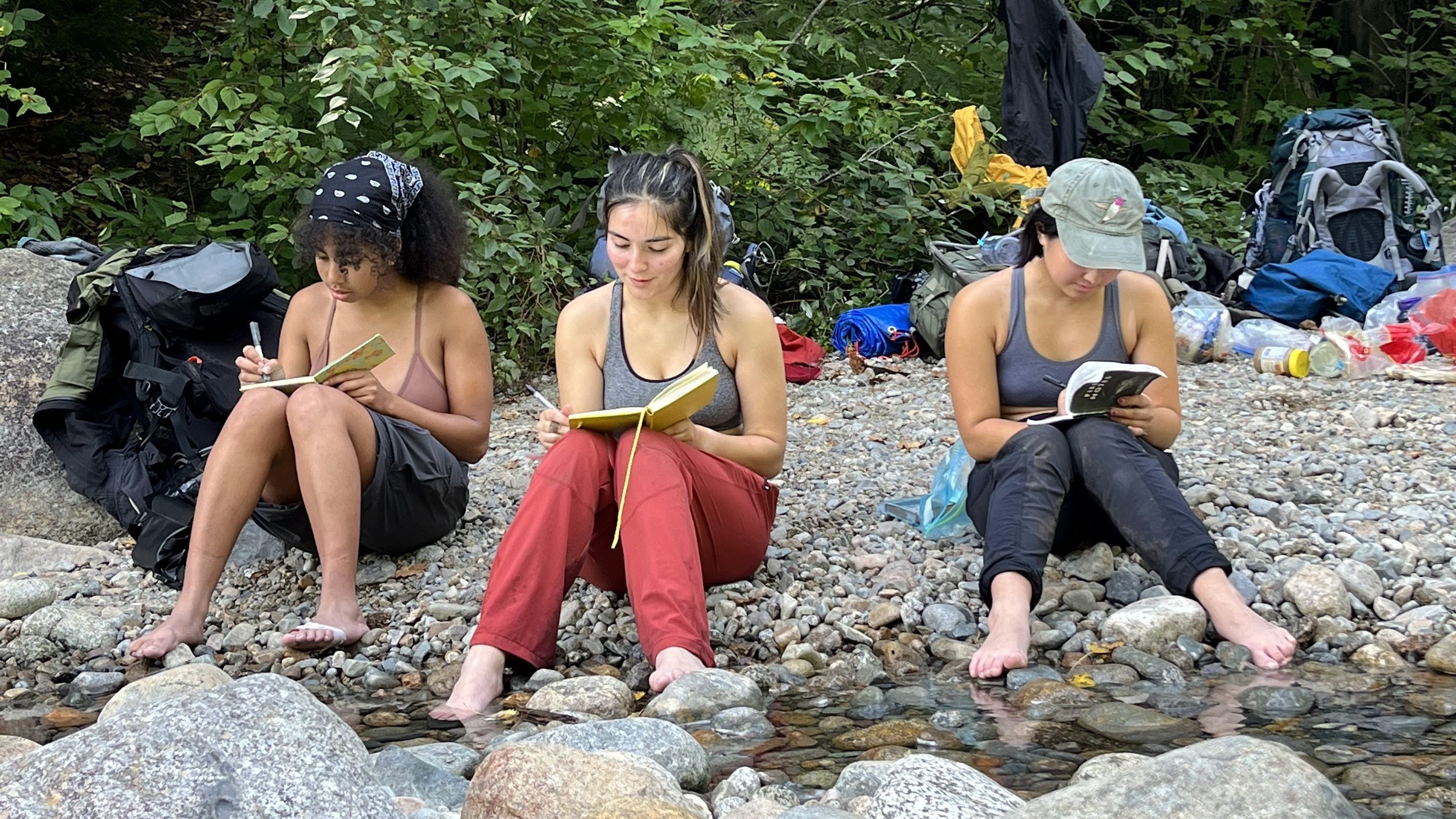
1The Brown Outdoor Leadership Training program is designed to foster the exploration and practice of leadership styles while establishing a community of support for sophomore and new transfer students. The program begins with a shared wilderness experience and continues on campus with a variety of structured and informal activities.

Students apply to BOLT during the second semester of their freshman year or as a new transfer student. Those accepted return to campus at the end of August to participate in a 5 day backpacking trip in the White Mountains of New Hampshire. The participants are called BOLTers; they divided into groups of ten with each group containing 7-8 sophomores or new transfers and 2-3 junior or senior leaders. Upon returning to campus each group maintains connection year long through frequent meetings as well as through regular all-BOLT events.

Previous program participants (BOLTers) as well as all other sophomores and juniors are then encouraged to apply to be a BOLT leader. Future leaders spend all of spring semester training to lead a trip of their own the following summer. Leaders are encourgaged to continue their connection to BOLT by serving on a Steering Committee that recruits and trains new leaders and participants, plans year round program events, and positively shapes the program in various ways. Leaders may also lead again the following year or even become a Student Manager. Student Managers work closely with the Director to facilitate the Steering Committee and manage the overall program during the year.

BOLT is truly a diverse, loving and supportive community
that can lead to life long friends.

If you have further questions look in the FAQ.

Also see: mission statement, diversity statement, history, BOLT in the community, and a word from our director.

 
BOLT role descriptions

BOLTer: A BOLTer is a rising sophomore or transfer student who is seeking an opportunity for personal reflection through an outdoor experience as part of a group of peers. BOLTers will have the opportunity to gain competence in basic outdoor skills and to become part of a new community. Participating in the Fall Trip as a BOLTer serves as an introduction to the Brown Outdoor Leader Training program.

BOLT Leaders: A BOLT Leader is a sophomore or junior who is committed to becoming proficient in the technical and facilitation skills necessary to lead a group in the outdoors. A Leader receives 160 hours of training during the Spring and creates opportunities for continued BOLTer and BOLT community development throughout the Fall at Brown. Leaders provide the foundation for BOLT’s sophomore advising and support network.

Advocate: A BOLT Advocate is someone who actively supports the program. An Advocate can participate in such things as fundraising, training, Steering Committee discussions, and logistical or field support. An Advocate is a member of the BOLT community.


Teaching role descriptions

These positions are available to leaders who have completed the spring training and wish to further serve and develop BOLT.

Mentor: A Mentor is a BOLT Leader who commits to expanding their understanding of leadership through continued trainings and the opportunity to teach. Mentors provide the core instruction and support during the Leader training and therefore workshops and forums will be provided on leadership, teaching, and communication. Mentors are expected to attend all Spring skills trainings, teach all BOLT technical and facilitation skills, and effectively communicate the philosophies and policies of BOLT. Mentors are responsible for observing and supporting the development of a small group of Leaders (a home group) throughout the Spring training. Mentors are an essential part of BOLT’s continuity and program development.

Facilitator: A Facilitator is a BOLT Leader who is able to support some, but not all, of the Spring leader training sessions and will attend the Steering Committee training preceding the leader training they wish to facilitate. Facilitators will help Mentors teach the technical and facilitation skills required for a given lesson. Facilitators will have access to the same development and training opportunities offered to Mentors.