What
is acne?
Acne is a term for the over production of oil, which results in
plugged pores and outbreaks of lesions called pimples or zits, whiteheads,
blackheads, nodules or cysts. Acne most commonly appears on the
face, neck, chest, back, shoulders and arms. Teenagers are affected
the most by acne, but acne can also affect adults between the ages
of 20 to 40. After age 40, acne may lessen because of lower levels
of hormones.
How
common is acne?
Approximately 17 million people in the U.S. have acne. Nearly 85%
of people between the ages of 12 to 24 develop acne. While both
men and women are affected by acne, young men are more likely to
suffer the effects of acne for longer periods of time because testosterone
tends to make acne worse.
What
causes acne?
The exact causes of acne are unknown, but it is believed that it
can result from several factors, primarily, an increase in hormones
called androgens, which both males and females have. Increases in
androgens cause your oil glands to enlarge and produce more oil.
This oil can also change into a thick white substance called sebum.
An increased oil production clogs your pores with oil and sebum
that can breakdown the cellular walls in your pores, which causes
bacteria to grow and pimples to develop.
Some
researchers also believe that your chances of developing acne can
be greatly influenced by genetics. The use of certain drugs containing
androgens and lithium are known to cause acne. The use of greasy
cosmetics can also lead to acne because they plug your cell follicles
and promote bacterial growth.
What
are pimples, whiteheads, blackheads, nodules and cysts?
Pimples are formed when the follicle wall breaks down and allows
oil and bacteria to spill into your tissue. This results in redness,
swelling, and pus.
A whitehead
is a firm white bump that appears because your pores are clogged
with oil as well as sebum that cannot reach your skin's surface.
A blackhead
is a darkened duct opening that is plugged with dead cells and bacteria.
When this material gains pigmentation and is exposed to air, it
will oxidize and turn dark. It is important to remember that a blackhead
is not caused by dirt, so do not panic by scrubbing your face. Rigorous
scrubbing will only cause more irritation.
A nodule is a large, painful, solid lesion that is lodged deep within
the skin. A cyst is a deep, painful pus-filled lesion that can cause
scarring. Nodules or cysts appear when there are large amounts of
oil, bacteria, and pus embedded in the skin layers.
How
can I treat a mild case of acne?
Most people try to treat their acne with over-the-counter medications
(OTC) before they see a dermatologist or skin specialist. These
medications are typically topical, meaning they are applied to the
skin. Here are some tips about what you should be looking for in
these products.
Common
OTC medications for acne can contain benzoyl peroxide, resorcinol,
salicylic acid, sulfur, azelaic acid, or Retin-A. These are the
most common topical OTC medications and each one works differently.
They are available in many forms, including gels, lotions, creams,
soaps, and pads. The creams and lotions are usually good for people
with sensitive skin. The gels and solutions are alcohol based and
prescribed to people with oily skin, to dry their skin.
Benzoyl
peroxide is useful in killing bacteria and prohibiting oil production.
Resorcinol, salicylic acid, and sulfur help to break down blackheads
and whiteheads. Salicylic acid also helps to cut down the shedding
of cells lining the follicles of the oil glands and is effective
in combating inflammation and swelling. Azelaic acid reduces the
growth of bacteria and it strengthens the cells lining your follicles,
to prohibit oil eruptions. Retin-A is useful because it helps to
unplug your pores by loosening the cells in the surface of the skin.
As a result, pimples are sometimes pushed to the surface of the
skin.
All of
these products are available in different strengths. For example,
the label may say that the product has 2.5 % salicylic acid, 5%,
or 10%. For your own peace of mind, it is best that you start with
the lowest concentration possible. You do not know how your skin
is going to react, and you want to lessen your chances of irritating
it.
Some
people using these medications may experience side effects such
as skin irritation, burning, or redness. In some people, it has
been marked that these side effects go away with continued use of
the product. It should be noted that if severe or prolonged side
effects do occur, you should report them to your dermatologist.
How
can I care for skin with acne?
When washing your skin, you should use a mild cleanser once in the
morning and once at night. Some people tend to scrub their skin
to stop outbreaks, but scrubbing can make your skin worse. Remember
that it is important that you thoroughly rinse your skin after washing
it. Using an astringent is only recommended when you have oily skin,
and even then the astringent should only be applied to oily spots.
Dermatologists also recommend that you wash your hair regularly
if it is oily, because the oil can get on your forehead and face,
and lead to breakouts.
Avoid
excessive touching of your face. If you squeeze or pop your blemishes,
you run the risk of developing scars because dirt on your hands
can infect your acne, and in some cases, squeezing the spot may
only spread the bacteria even further.
Use cosmetics
without oil, including hair care products. Men who shave should
do so carefully, as to avoid nicking their blemishes.
When
should I seek medical assistance?
If you do not see an improvement after 6 to 8 weeks of using non-prescription
medications, you should make an appointment to see a medical provider.
There are a number of prescription treatments that could easily
do the trick.
How
do I treat a more severe case of acne?
People with moderate to severe acne should see their dermatologist
so that they can be treated with prescription topical medications,
oral medications, or both.
There
are several types of topical prescription medications that can treat
acne, including antibiotics, benzoyl peroxide, adabalene, and azelaic
acid. Like the common OTC treatments, these medications can come
in many forms, but these prescription treatments are available in
various strengths that allow your dermatologist to determine which
particular strength and treatment would best suit your skin.
Some
side effects associated with these medications are stinging, burning,
redness, peeling, scaling, or discoloration of the skin. In fact,
your skin may look worse before improving because some level of
irritation will be involved, and it will take time for your skin
to adjust. Prolonged or severe forms of these symptoms should be
reported to your dermatologist, and remember, it may take anywhere
between 4 to 6 weeks before you see an improvement.
Your
dermatologist could also recommend that you take an oral or topical
antibiotic. Oral antibiotics are thought to control acne by curbing
the growth of the bacteria and reducing inflammation. Common types
of oral antibiotics include Erythromyocin and Tetracycline.
Side
effects associated with use of oral antibiotics could include gastrointestinal
problems, allergies, liver problems, and yeast infections. Erythromycin
should not be taken with terfenadine, astemisole or cisapride, because
these combinations can increase the possibility of heart irregularities.
Tetracycline should never be taken in combination with antacids
containing magnesium, calcium, aluminum, or sodium bicarbo-nate
because they can decrease absorption, as can iron pills. In some
studies, the use of Tetracycline reduced the effectiveness of oral
contraceptives. If you are using any of these medications, be sure
to inform your dermatologist.
How
is nodular or cystic acne treated?
If you have deep painful sores, you should be treated by your dermatologist.
Your dermatologist may first try the medications described above
but if your skin does not improve, s/he may prescribe Isotretinoin,
also known as Accutane. Accutane is an oral drug, typically taken
for 15 to 20 weeks. It can dramatically reduce the size of oil glands
and decrease the growth of bacteria.
Accutane
clears acne completely in 90% of all cases, but you should know
that some people experience side effects from use of the drug. The
drug can cause symptoms of depression such as loss of appetite or
trouble concentrating; dry eyes, mouth, lips, nose, or skin; itching;
nosebleeds; muscle aches; sensitivity to the sun; poor night vision;
change in liver function; and an increase in cholesterol. If you
are pregnant, you should not use Accutane because it can cause brain
defects in a developing fetus.
Accutane
should not be taken with Tetracyclines because it increases the
risk of headaches and blurred vision due to cranial pressure. Vitamin
A and supplements with high proportions of vitamin A should also
be avoided because Accutane has a significant amount of Vitamin
A and the two medications together will build up high levels that
could increase your chances of developing side effects. You should
also alert your doctor if you or your family has a history of alcoholism,
excessive alcohol use, sugar diabetes, or obesity. Isotretinoin
may cause increased blood sugar levels and triglyceride levels,
which may complicate heart or blood vessel problems in the above
conditions.
What
are some alternative treatments for acne?
Tea tree Oil, which is derived from the leaves of the Melaleuca
tree, has shown some proficiency in reducing the effects of acne.
Like benzoyl peroxide, tea tree oil attacks bacteria and limits
oil production, but without the adverse side effects such as itching,
burning, or peeling. Some people have also seen success with acupuncture
to treat their acne. Better results are usually seen when coupled
with nutritional and lifestyle changes. Be sure to talk with your
medical provider about treatments you are interested in trying.
What
can I do about scarring?
Early treatment is the best way to prevent acne scars. Some OTC
treatments for early scarring include the use of vitamin E, coca
butter, or more recently, Mederma which has shown some proficiency
in reducing acne scars. Mederma is a topical gel that has been used
in the medical field to reduce and soften the appearance of surgical
scars. In more severe cases of acne, Accutane has proven effective
for treating scarring. It is important to note that you should not
begin to treat scarring until you are no longer experiencing active
breakouts. If you have longstanding scars, a dermatologist may opt
to perform a medical or surgical procedure to reduce the scars.
Procedures could include the use of lasers or chemical peels to
lessen the appearance of scars.
What's
offered at Health Services?
At Health Services, there is a dermatology clinic held on Thursdays.
You must have an appointment to see the dermatologist. You can call
401.863-3475 to make your appointment. The dermatologist will determine
the best type of treatment for your acne. He will also be able to
write you a prescription for medications if necessary. If you already
have a prescription from home for your acne, you do not need to
make an appointment with the dermatologist. You can call the pharmacy
863-7882 to make arrangements to get your prescription filled. The
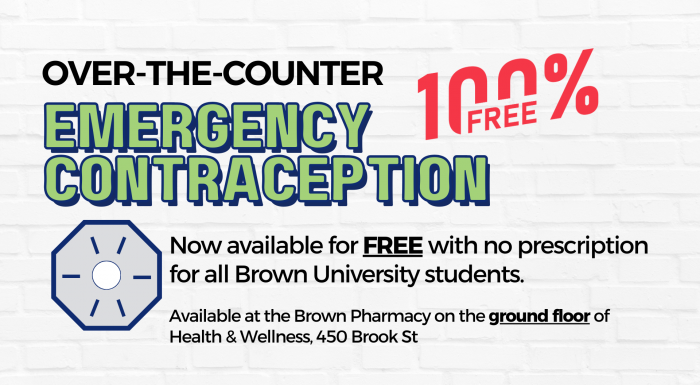
pharmacy carries Accutane, Retin A, and antibiotics to treat your
acne. The pharmacy also has OTC treatments including benzoyl peroxide,
Mederma, and more.
Disclaimer: Health Education is part of Health Services at Brown University. Health Education maintains this site as a resource for Brown students. This site is not intended to replace consultation with your medical providers. No site can replace real conversation. Health Education offers no endorsement of and assumes no liability for the currency, accuracy, or availability of the information on the sites we link to or the care provided by the resources listed. Health Services staff are available to treat and give medical advice to Brown University students only. If you are not a Brown student, but are in need of medical assistance please call your own health care provider or in case of an emergency, dial 911. Please contact us if you have comments, questions or suggestions.