When bad things happen to good people
Sometimes
eating disorders are linked to bad experiences you have suffered.
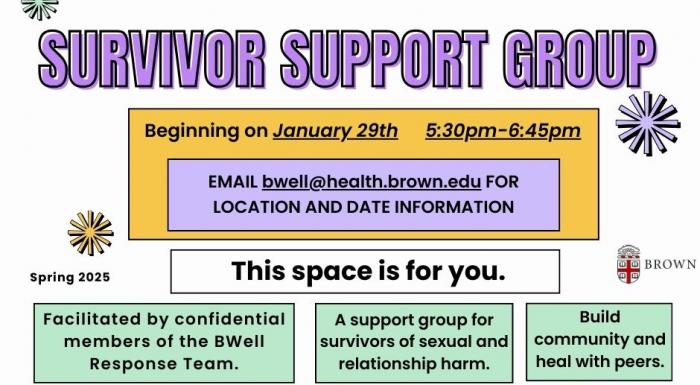
When bad things happen to good people, you can end up feeling a
lot of badness inside. This feeling of badness should reflect only
on whatever unfortunate events have happened; but frequently you
come to feel bad about yourself, as if you are bad. A young woman
who has been sexually assaulted, for instance, may blame herself
for it, perhaps see herself as the cause of what occurred, or even
see herself as having deserved it. This kind of negative belief
or feeling about yourself can cause all kinds of problems, especially
problems that are characterized by neglect or mistreatment of yourself
and your well-being. An eating disorder would fit with this picture
and it commonly does.
What do you mean, "bad things"?
In the
category of bad things that happen to people are such things as:
Isolated
traumatic experiences, like a car accident or a bad medical procedure
A
physical or sexual assault (including acquaintance rape)
Being
in a fire
Anything
out of the ordinary that is a shock to your being and to your
sense
of safety in the world.
Bad experiences
that leave a mark on your psychological state may also include ongoing
circumstances and situations that are less obviously dramatic, for
instance, such things as:
Being
in a humiliating or abusive relationship
Living
through the illness, death or suicide of someone close
Significant
experiences of personal failure
Painful
outcomes in relationships
Ongoing
excessive stress or feelings of helplessness
Growing
up in a family where there was a great amount of punitive and
harsh judgment
Witnessing
terrible things (such as the images of September 11, 2001)
When
a bad thing happens to your body
When you have bad things happen to your body (such as injury, terrible
illness, physical assault, sexual assault or molestation), you may
show signs of your distress through your body. Sometimes you have
physical symptoms caused by stress (e.g. headaches, irritable stomach,
lowered resistance to colds/flu), and sometimes you take your distress
out on your body (sleep deprivation, alcohol abuse, cutting). Eating
disorders can be like this: starving, bingeing, vomiting, using
laxatives and over-exercising all abuse your body. Many young women
who have been sexually assaulted or abused (clearly violations to
the body) are also bulimic. It is a kind of unconscious way to express
and manifest pain without directly talking
about it.
When
you have no control
Almost by definition, the nature of a bad experience is that you
have (or feel you have) no control or power to do anything about
what is happening to you. A common theme in eating disorders is
control:
People
with anorexia tend to strive for perfection and control
Following
an out-of-control binge, people with bulimia may attempt to regain
control by purging
People
who compulsively overeat describe feeling uncontrollable urges
to eat
Ironically,
once you can talk about it, you may admit feeling you have lost
control of your life, emotions, and body because of the eating disorder.
Food for coping
Using food and eating behaviors to cope is an attempt to feel better.
But it doesn't really work in the end. To deal with painful experiences,
you may try to manage your feelings by overeating, undereating or
purging. These behaviors can and often do have the immediate effect
of soothing, comforting, or numbing. Although these methods may
be an effective short-term fix, they aren't effective in the long
term and can have many negative consequences. The trick is to find
alternative coping methods that help you feel better, but that don't
interfere with your health and well-being. Often, people need help
figuring out new ways to cope effectively.
Located on the third floor of Health Services.
Confidential information or care is available through individual
appointments or phone consultation with a Nutritionist to discuss
the many types of eating concerns you may have regarding yourself,
a friend, roommate or teammate. Health Education also offers workshops,
pamphlets, and reading materials covering these and related issues.
There are no fees for Health Education services.
Located at the corner of Brown and Charlesfield streets.
Confidential information and care is available on a walk-in, or
by scheduled appointment basis. Care is available for initial, current
or past disordered eating patients. There are no fees for medical
care at Health Services. However, there may be fees incurred if
laboratory tests, medications, specialist or emergency hospital
care is needed.
Located on the second floor of Rhode Island Hall.
Confidential appointments are available at Psychological Services
for students concerned about their eating issues. Guidance is also
available for those who are concerned about a friend, roommate,
or teammates' eating. Services include crisis intervention, short-term
psychotherapy and referrals. There are no fees for appointments
at Psychological Services.
This site looks at ways we can feel good in the bodies we have.
One of their slogans: "Remember, your body hears everything
you think." Other topics on the web site: Size Acceptance;
What do you say when everyone around you is dieting? 200 Ways to
Love the Body You Have; Dieting Detox; Evaluating Weight Loss Programs:
What are the Red Flags? Free subscription to email newsletter "Body
Positive Pages."
Highly recommended web site, offering support and programs for people
seeking a lifestyle without diets. You can take a self-profile quiz
that cues you to the many benefits of a non-diet life. Slogan: "You
Count, Calories Don't." Run by a registered dietitian. This
site includes a chat line, resources and links to other sites.
This site provides signs of eating disorders, motivational support
talks, information on cultural issues and how to help loved ones.
This site includes definitions, statistics, warning signs, causes
and frequently asked questions.
This site provides general information about eating disorders and
body image concerns, tips for helping a friend and referral sources.
Provides information and treatment resources for all forms of eating
disorders.
Articles from the ADA on eating disorders, including The Female
Athlete, Compulsive Eating and Anorexia.
Information on eating disorders, books for sale and resources in
Spanish.
Adapted from the Boston College Eating Awareness
Team
Written by Boston College Counseling Services
Disclaimer: Health Education is part of Health Services at Brown University. Health Education maintains this site as a resource for Brown students. This site is not intended to replace consultation with your medical providers. No site can replace real conversation. Health Education offers no endorsement of and assumes no liability for the currency, accuracy, or availability of the information on the sites we link to or the care provided by the resources listed. Health Services staff are available to treat and give medical advice to Brown University students only. If you are not a Brown student, but are in need of medical assistance please call your own health care provider or in case of an emergency, dial 911. Please contact us if you have comments, questions or suggestions.