sexual assault, harassment & dating violence


alcohol, tobacco, & other drugssexual healthnutritiongeneral healthsexual assault, harassment & dating violence
 

Sexual Assault & Rape

What is rape? I What is sexual assault? I What is consent? I Who can be a perpetrator of sexual assault? I Who can be a victim of sexual assault? I What to do if you are sexually assaulted I What happens during the medical exam? I Common reactions of survivors I Minimizing the risk of sexual assault I Where do I go for help? I Links you can use

Rape or sexual assault can happen to anyone, regardless of age, gender, race, sexual orientation or socioeconomic status. On this page you will find information, legal definitions, resources, and links you can use to learn more about rape and sexual assault. If you or someone you know has been raped or sexually assaulted, click on this link for immediate steps to take. An important point to remember is that no one deserves to be sexually assaulted.

Brown takes any form of sexual assault very seriously and has developed a comprehensive definition of sexual misconduct. Click here to read more about that policy. Here are some statistics that indicate the prevalence of rape and sexual assault on college campuses:

  • Female college freshmen are at the highest risk for sexual assault between the first day of school and Thanksgiving break.
  • In a 1-year time period, 3% of college women are victims of completed or attempted rape.
  • 1 out of 10 college women have been raped in their lifetime.
  • For women who have been raped in college, 9 out of 10 offenders were known to the victim.
  • Sexual assaults in college are more likely to occur at night and in someone's residence (either the victim's or the offender's).
  • 90% of campus rapes involve alcohol use by the assailant or the victim.
  • Although women are more likely to be sexually assaulted, 10% of all sexual assaults and rapes happen to men. Click here for more information on male victims of sexual assault.

The exact definitions under Rhode Island law can be found in the RI Statutes.

back to top

What is rape?
Rape is any kind of sexual intercourse (vaginal, oral, or anal) that is committed against a person's will or is committed with physical force or with a threat to hurt the victim or another person. It is also considered rape if the victim is intoxicated or unconscious and unable to give consent. Rape and sexual assault are not about sexual desire--they are about power and control.

Sexual assault is the legal term for rape, and it also encompasses other behaviors beyond forced sexual intercourse. Sexual assault can be any unwanted sexual contact, such as unwanted touching, fondling, or groping of sexual body parts. It can be committed by the use of threats or force or when someone takes advantage of circumstances that render a person incapable of giving consent, such as intoxication.

There are specific definitions for the degrees of sexual assault and legal definitions can vary from state to state. Rhode Island law defines these as:

  • 1st Degree Sexual Assault -- sexual penetration of any orifice of the victim's body by a body part or object, achieved through force, threat of force or coercion.
  • 2nd Degree Sexual Assault -- physical contact of a sexual nature without consent, with a victim's genitals or buttocks or a woman's breasts.
  • 3rd Degree Sexual Assault -- sexual activity between one party who is 18 years of age or older and one who is under 16 years of age. (Sixteen is the age of consent in Rhode Island)

    back to top

What is consent?
Consent is an agreement that 2 people must make if they want to have sex. The issue of consent can be a complicated and ambiguous area that needs to be addressed with clear, open, and honest communication. Keep these points in mind if you are not sure consent has been established:

Both partners need to be fully conscious and aware.
The use of alcohol or other substances can interfere with someone's ability to make clear decisions about the level of intimacy they are comfortable with. The more intoxicated a person is, the less they are able to give conscious consent.

Both partners are equally free to act.
The decision to be sexually intimate must be without coercion. Both partners must have the option to choose to be intimate or not. Both partners should be free to change "yes" to "no" at any time. Factors such as body size, previous victimization, threats to "out" someone, and other fears can prevent an individual from freely consenting.

Both partners clearly communicate their willingness and permission.
Willingness and permission must be communicated clearly and unambiguously. Just because a person fails to resist sexual advances does not mean that s/he is willing. Consent is not the absence of the word "no."

Both partners are positive and sincere in their desires.
It is important to be honest in communicating feelings about consent. If one person states their desires, the other person can make informed decisions about the encounter.

(Adapted from Berkowitz, Alan. "Guidelines for Consent in Intimate Relationships," Campus Safety & Student Development, Vol. 3, No. 4, March/April 2002.)

back to top

Who can be a perpetrator of sexual assault?
Men or women may be the perpetrators of sexual assault; however, men are more likely to commit sexual assault. The perpetrator may be a stranger, an acquaintance, a lover, a partner, or a date. Most of the time the perpetrator of the assault is someone the victim knows, either a boyfriend, girlfriend, husband, other relative, or acquaintance.

back to top

Who can be a victim of sexual assault?
Anyone can be a victim of sexual assault regardless of age, gender, race, sexual orientation or socioeconomic status. Although it is more common for women to be victims, approximately 1 out of 10 men have been sexually assaulted at some point in their lifetime.

back to top

What should I do if I am sexually assaulted?
Preventing a possible pregnancy and collecting physical evidence must occur within 72 hours of the assault. If the incident occurred in the last 24 to 72 hours:

  • Call 911 if you need immediate medical or police assistance.
  • Go to a safe place as soon as you can and ask a friend, family member, or someone you trust to stay with you.
  • Get help by calling one of these sexual assault resources:

    Sexual Assault Response Line
    401.863-6000

    Sexual Assault Response and Prevention Coordinator
    401.863-2794

Sexual Assault & Domestic Violence Hotline
1-800-494-8100

University Health Services
863-1330

Brown Emergency Medical Services (EMS)
863-4111

  • If you want to report the crime, notify Brown's Department of Public Safety immediately at 401.863-4111. Reporting the crime can help you regain a sense of personal power and control and can also help to ensure the safety of other potential victims.
  • Try to preserve all evidence of the assault. Avoid drinking, bathing, showering, douching, brushing your teeth, or changing your clothes. Evidence can be collected at an emergency room and you can decide later whether or not you want to press criminal charges.
  • Try to write down, or have a friend write down, everything you can remember about the incident including a physical description of the perpetrator, their identity if you know it, and the use of threats or force.
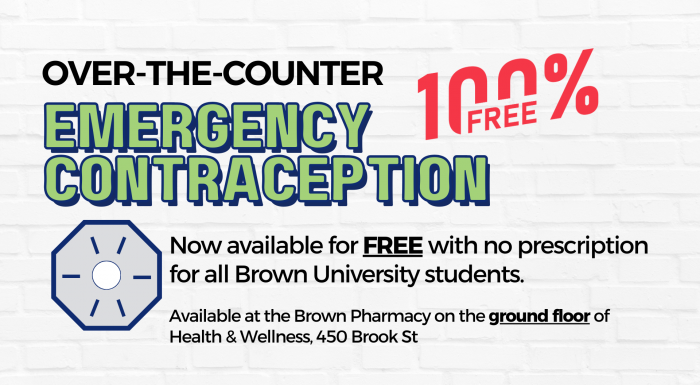
  • Get medical care. Go to Health Services or a hospital emergency room that provides medical care for sexual assault victims. Even if you think that you do not have any physical injuries, you should still have a medical examination and discuss the possibility of sexually transmitted infections with a medical provider. If you are female, you can prevent pregnancy by taking emergency contraceptive pills within 120 hours (5 days) of the assault.  Emergency contraceptive pills are most effective when taken as soon as possible.
  • If you think you were drugged or consumed a sedative-like substance, ask the medical provider to take a urine sample. Date rape drugs like GHB and Rohypnol are more likely to be detected in urine than in blood. If you still have remnants of the drink, save them for analysis.
  • Talk with a counselor who is trained to assist victims of sexual assault. You can call one of the resources listed below.

(Adapted from RAINN, "If you are raped.")

If the incident occurred recently or long ago, remember that it is never too late to get help:

What happens during the medical exam?
Even if you have no apparent injuries after the assault, it is still a good idea to seek medical care. Going to the hospital, even though it might be difficult, is an important way for you to start taking care of yourself. You may come to Health Services or you may go to any hospital you choose. If you need to be transferred from Health Services to another emergency care site, Brown EMS can transport you.

At the hospital, you will be asked questions about your general health. If you are female, you will be asked about your menstrual history and your use of contraception. You will also be asked specific questions about the assault. It may be difficult to recall some of the details, and it may be emotionally painful to talk about what happened. Medical providers ask specific questions to find out what to look for when they examine you. The information you give helps them conduct a thorough physical evaluation.

Then you will have a general physical exam and if you are female, a pelvic exam. The clinician will check for external and internal injuries and test for any sexually transmitted infections. You may be given antibiotics to prevent infection. For females, a pregnancy test will be done and you will be given emergency contraceptive pills to prevent unintended pregnancy.

The medical providers will, with your permission, collect physical evidence to be used if you decide to prosecute. Collecting this physical evidence is called a "rape kit." This cannot be done at Health Services, but must be done at an emergency room or hospital. Depending on the types of sexual contact that occurred, the search for physical evidence may include taking samples from the vagina, mouth, or rectum to test for sperm cells and semen. Other evidence may be obtained from fingernail scrapings, foreign matter on your body, and the clothes you were wearing at the time of the assault.

All exam findings are completely confidential and can only be released with your written consent. If you have visible injuries, you may be asked to have photographs taken. Photographing injuries is important because by the time your assailant is prosecuted, the injuries may have healed.

Going to the hospital does not mean that you have to make a report to the police. That is your choice. The hospital staff will probably ask you to come back for a follow-up checkup. Or, you follow up with a medical provider of your choice. A counselor will be available to talk with you. Additional ongoing counseling will be available to you through the support resources of your choice.

back to top

What are common reactions of survivors?
It is normal for survivors to experience a range of feelings after a rape or sexual assault, and all survivors will react to the incident in their own way. One survivor may feel intense anger and even have feelings of revenge, while another may feel numb. Below are some of the common types of reactions survivors might have:

Shock and disbelief
Immediately after the assault most victims are in a state of shock. Some will act as if nothing has happened, trying to make life seem normal. Others find themselves in a daze, having difficulty focusing or getting mobilized.

Recurring thoughts
There may also be periods when survivors are preoccupied with thoughts and feelings about the assault. They may have unwanted memories, flashbacks or nightmares. When they think about what happened, they may re-experience some of the sensations and feelings they had during the assault, such as fear and powerlessness.

Intense emotions
After this initial phase, which can last anywhere from a few hours to weeks, months or even years, other emotions come into play. It is common for a survivor to feel that they are going crazy with so many different perceptions to deal with. A survivor may experience fears of darkness, of being alone, of being around people like the perpetrator, or of being raped again.

Self-blame and shame
They may feel that the rape or assault was their fault or that they could have done something to prevent it. They may feel guilty, ashamed and vulnerable in ways they have never experienced before.

Fears about safety
They may have trouble trusting other people. Sexual intimacy may be difficult if it brings painful memories or a fear of losing control. A survivor may feel alone in their experience and that no one can understand.

Other emotional or psychological effects may include:

  • Depression
  • Social withdrawal
  • Numbing/apathy (detachment, loss of caring)
  • Reduced ability to express emotions
  • Nightmares or flashbacks
  • Difficulty concentrating
  • Diminished interest in activities or sex
  • Loss of self-esteem
  • Impaired memory
  • Loss of appetite
  • Thoughts of suicide and death
  • Substance abuse
  • Psychological disorders

All of these feelings and reactions are normal responses to rape or sexual assault. It is also common for some feelings to resurface or new ones to emerge later on in a survivor's life. Periods of stress, new intimate relationships, the anniversary of the incident, or situations such as seeing the perpetrator or testifying in court, can trigger intense feelings.

(Previous 2 sections adapted from RAINN "Impact of Rape," and The Stone Center at Wellesley "Taking Care of Yourself: Sexual Abuse and Interpersonal Violence Education.")

back to top

What can be done to minimize the risk of sexual assault?
Sexual assault and rape can happen to anyone at anytime. A victim is never responsible for preventing sexual assault and rape but there are steps you can take to be safer. Some prevention strategies for men and women include:

Respect the rights of others.

  • Listen to the messages your partner is giving. Be sensitive to both verbal and nonverbal communication. Ask. Double check that you both are doing what you want.
  • The absence of the word "no" does not constitute consent. Make sure you have consent by asking your partner what they want to do. If your partner seems confused or unsure, it's time to stop.
  • Remember that having done something sexual previously is not a blanket "yes" for the future.
  • Remember that your partner can change "yes" to "no" at any time. Respect their choice.
  • Know which behaviors constitute rape and sexual assault, and understand that most incidents happen between people who know each other.
  • If you choose to drink, be responsible. Alcohol consumption greatly increases the risk of sexual assault.
  • Never slip anyone any type of drug. Not only is this illegal, but you don't know what effect a drug can have on someone.

Keep yourself safer.

  • Think about what you really want from a partner before a possibly uncomfortable or dangerous situation occurs.
  • Communicate clearly. You have the right to say "no" or "I'm not sure."
  • Go to a party with friends, not alone. Keep track of your friends and leave with them. Don't leave alone or with someone you don't know well.
  • If you choose to drink, be responsible. Alcohol consumption greatly increases the risk of sexual assault.
  • Know what's in your drink, whether it's non-alcoholic or contains alcohol. Open the can yourself, make your drink yourself or watch it being made, and don't leave your drink unattended. Avoid punch bowls--you have no idea how much alcohol is in them, and since date rape drugs are odorless, colorless and tasteless they can be added to punch without anyone knowing. Follow this link for more information on date rape drugs.
  • Know which behaviors constitute sexual assault and rape. Understand that most incidents occur between people who know each other.
  • If something happens, get help. There are many resources to help you recover from painful experiences.

Look out for the safety of friends.

  • When going to a party with friends, keep track of each other while you're there. Plan to leave together and don't let anyone leave alone.
  • If a friend decides to leave a party with someone else, talk to them about their safety. If you are worried about someone, it's ok to try to protect them from harm.
  • If someone seems highly intoxicated, call EMS at 401.863-4111.
  • Learn more about sexual assault and rape and how to help a friend who may have been assaulted.
  • If a friend discloses to you that they have been sexually assaulted, don't take it all on yourself. Use Brown or off campus resources for advice and support for your friend and for yourself.

    back to top

Where do I go for help?

Sexual Assault Response Line 401.863-6000
Available through Psychological Services' on-call system. Confidential crisis support and information is available for any Brown student dealing with sexual assault. The on-call counselor is also available to accompany a victim to the hospital.

Sexual Assault Response and Prevention Program Coordinator 401.863-2794
Trish Glover is the main contact person for helping students affected by sexual violence. Confidential services include support for a survivor or the friends of a survivor, help filing a complaint (if that is the student's choice) and educational programs for the student community.

The Advocates Program 401.863-1781
A Brown staff member is trained to help any Brown student explore his/her options to address an incident of sexual assault or sexual harassment. Talking with an Advocate does not require a student to file a disciplinary complaint or pursue any specific course of action. Available Monday through Friday 9am to 5pm.
The Advocate coordinator is Gail Cohee, Director, Sarah Doyle Women's Center.

Office of Student Life/Dean-on-Call 401.863-3800
Provides a crisis response system which includes deans-on-call.

Brown Department of Public Safety 401.863-4111
Emergency response available 24 hours a day, 7 days a week.

Brown Emergency Medical Services (EMS) 401.863-4111
Emergency response available 24 hours a day, 7 days a week.

University Health Services 401.863-3953
Confidential medical care, testing and treatment. Emergency contraceptive pills and treatment for sexually transmitted infections are available. Emergency care available 24 hours a day. Located at the corner of Brown and Charlesfield Streets.

Local Hospital and Emergency Rooms:

Women & Infants Hospital 401.274-1100
101 Dudley Street, Providence

Rhode Island Hospital 401.444-5411
593 Eddy Street, Providence

Miriam Hospital 401.793-2500
164 Summit Avenue, Providence

Sexual Assault & Domestic Violence Hotline 1-800-494-8100
If you or someone you know needs help because of a sexual assault or an abusive relationship, call this hotline 24 hours a day. Counselor-advocates provide confidential support and are available to accompany victims of sexual assault to the hospital and police station. Ongoing counseling and support groups are available. (This hotline is specific to Rhode Island.  Contact the National Sexual Assault Hotline at 1-800-656-HOPE if you need help in another state.)

Rape, Abuse & Incest National Network (RAINN) 1-800-656-HOPE
This is a national hotline for victims of sexual assault. The hotline offers free, confidential counseling and support 24 hours a day, from anywhere in the country. When a survivor calls the hotline, s/he is connected to the nearest local rape crisis center through a unique computer routing system that maintains the confidentiality of callers.

back to top

Links you can use


This is an online version of the Student Handbook that links to the section on policies and regulations. Brown's definition of sexual misconduct is outlined here as well as the steps taken when an assault occurs.


Day One is the RI resource for victims of sexual assault and their families.  The site provides information on a range of topics, including sexual assault, child sexual abuse, internet safety and sex offender management.  Day One offers individual and group counseling for survivors of sexual abuse, child sexual abuse and for their families.


This web site offers information and statistics on sexual assault and can locate a local rape crisis center in your area.


This web site offers information on the impact of rape, date rape drugs, facts and statistics, as well as a comprehensive list of links to other resources.

back to top


Disclaimer: Health Education is part of Health Services at Brown University. Health Education maintains this site as a resource for Brown students. This site is not intended to replace consultation with your medical providers. No site can replace real conversation. Health Education offers no endorsement of and assumes no liability for the currency, accuracy, or availability of the information on the sites we link to or the care provided by the resources listed.  Health Services staff are available to treat and give medical advice to Brown University students only. If you are not a Brown student, but are in need of medical assistance please call your own health care provider or in case of an emergency, dial 911.  Please contact us if you have comments, questions or suggestions.

about us | contact us | site map & search

last modified: October 2, 2008

Brown University Health Education Brown University Health Education