
PROVIDENCE, R.I. [Brown University] — Some of Lina Fruzzetti’s earliest memories involve feeling different. After escaping war in 1947 in the northeast African country Eritrea, Fruzzetti lived with her widowed mother and younger brother as refugees in Sudan, where they experienced a sense of being “othered,” she said.
Then, in the early 1960s when Fruzzetti arrived in Illinois to attend college, she felt a different kind of “othering” as a biracial, Eritrean Italian woman.
Fruzzetti’s formative experiences underpinned her academic work as a social anthropologist, ethnographic filmmaker and educator at Brown University, from which she retired in 2024 after 49 years. Recognized as the first woman of color to earn tenure at Brown, in 1982, Fruzzetti dedicated her career to research and teaching about race, culture and gender roles through rigorous ethnographic study and sharing observations from her own life.
“The difficulties I had as a child are what made me study all the things I’ve been studying,” said Fruzzetti, a professor emerita of social science. “I always had a healthy curiosity, and I began to realize that the things I’ve experienced are things that others have experienced, too.”
Fruzzetti's colleagues describe her as an inclusive leader who was deeply dedicated to service to Brown, and a committed, empathetic mentor who would welcome Brown community members to her home for Thanksgiving dinner and spend hours meeting with students, whether they were enrolled in her courses or not.
For that work and many other accomplishments, the Brown University faculty will award Fruzzetti the Susan Colver Rosenberger Medal of Honor during the University’s 258th Commencement on Sunday, May 24. The medal is the highest honor the Brown faculty can bestow, and it has been awarded just 36 times since its establishment in 1919. Among the previous honorees are Nobel laureates, University presidents and chancellors, pioneering Brown faculty and esteemed public servants.
“Brown has superstar faculty, and each of us has made a mark on the world, but even among such distinguished peers, Lina just knocks it out of the park in every dimension,” said Professor of Computer Science Anna Lysyanskaya, chair of Brown’s Faculty Executive Committee. “She’s done so much for Brown, and she’s consistently been a role model for other faculty.”
After earning a Ph.D. in anthropology from the University of Minnesota, Fruzzetti joined Brown’s faculty in 1975 as an assistant professor of social anthropology.
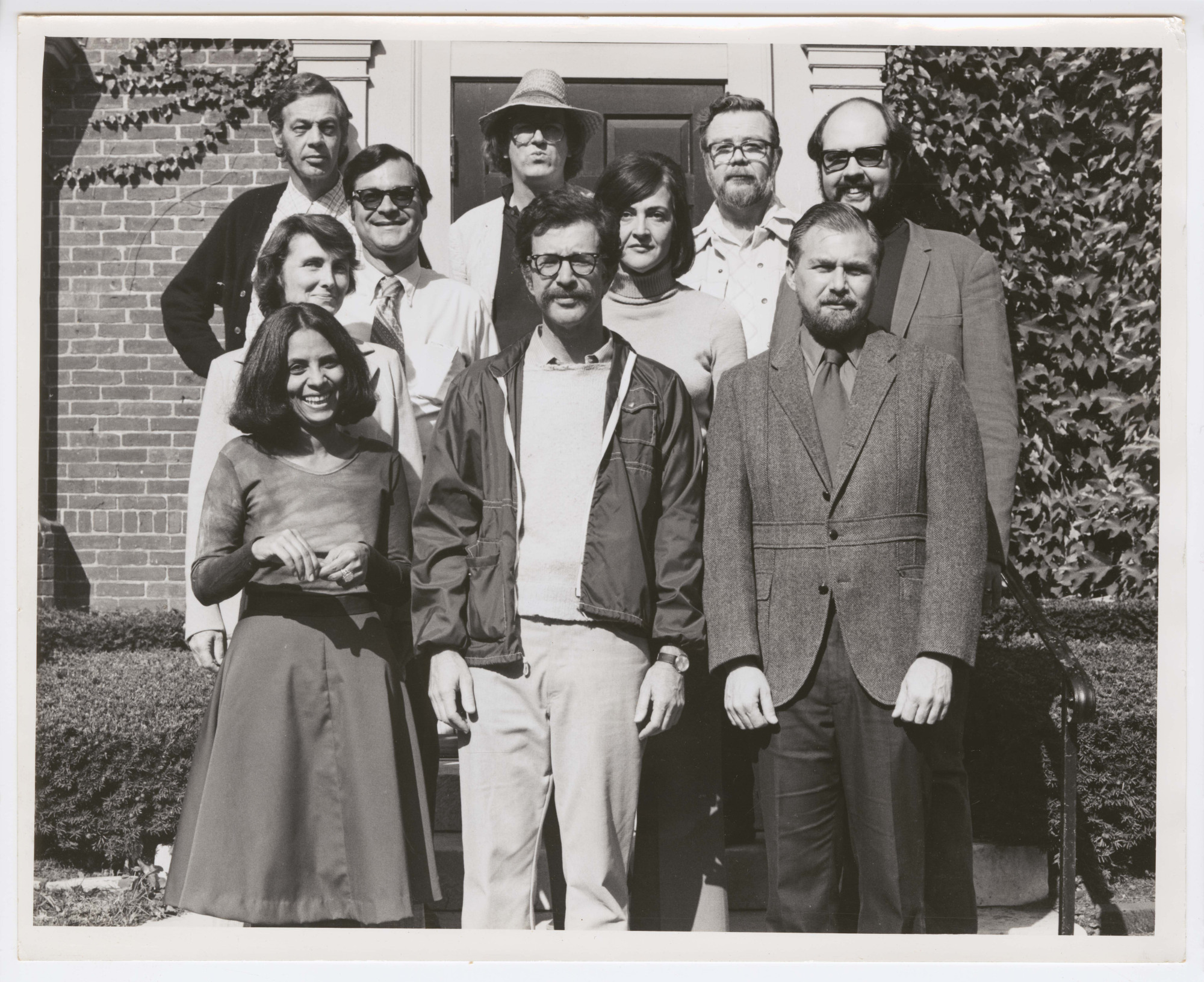
“From the moment I stepped onto campus, I just had a gut feeling that Brown was where I needed to be, and I never wanted to leave,” Fruzzetti said. “It wasn’t just a place that I worked for — it was a place that I lived for.”
Pioneering anthropological research
Fruzzetti’s research focuses on the relationship between kinship, marriage and rituals, and the construction of gender in India and northeast Africa. She is known for her pioneering ethnographic writings, which include 11 books that explore different social and cultural aspects of South Asian and Northeast African family lives, and for her ethnographic filmmaking.
“Lina has educated us to know that ethnographic filmmaking is comparable to authoring a book — with the same requirements for developing research-based ethnographic knowledge and linguistic ability, securing external funding, developing themes and editing — but with additional requirements of various technical skills,” said Jessaca Leinaweaver, chair of Brown’s Department of Anthropology. “Her anthropological filmmaking is a transformative contribution to anthropology and to South Asian and African studies.”
Fruzzetti’s books and fieldwork led to filmmaking when one summer, her husband, Ákos Östör, then a professor of anthropology and film studies at Wesleyan University, was filming in an Indian village and needed her help to include women as part of the film “Seed and Earth,” released in 1995.
Fruzzetti and Östör went on to make five other ethnographic films together, including “Fishers of Dar,” which depicts the fishing culture of Dar es Salaam in Tanzania and “Singing Pictures,” which tells the story of the Patua (Chitrakar) communities of West Bengal, India, whose members create traditional scroll paintings and perform accompanying songs.