PROVIDENCE, R.I. [Brown University] — On a recent spring night, the spirit of the Hawaiian cowboy rode into Sayles Hall.
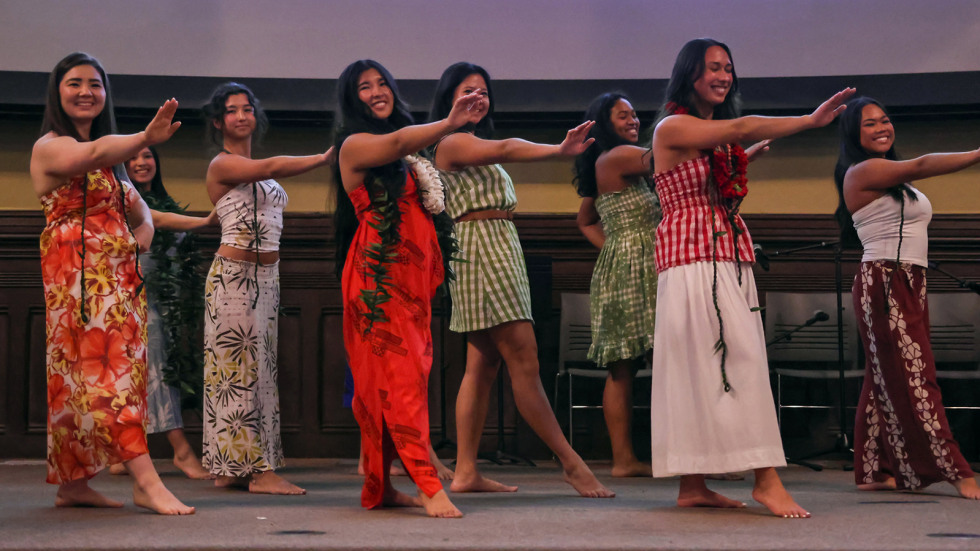
The story of the paniolo, or Hawaiian cowboy, came alive through song, dance and storytelling as Hawai’i@Brown hosted its Third Annual Spring Lū’au in mid-April, bringing together more than 200 Brown University students, faculty and community members for a vibrant, sold-out celebration of Hawaiian culture.
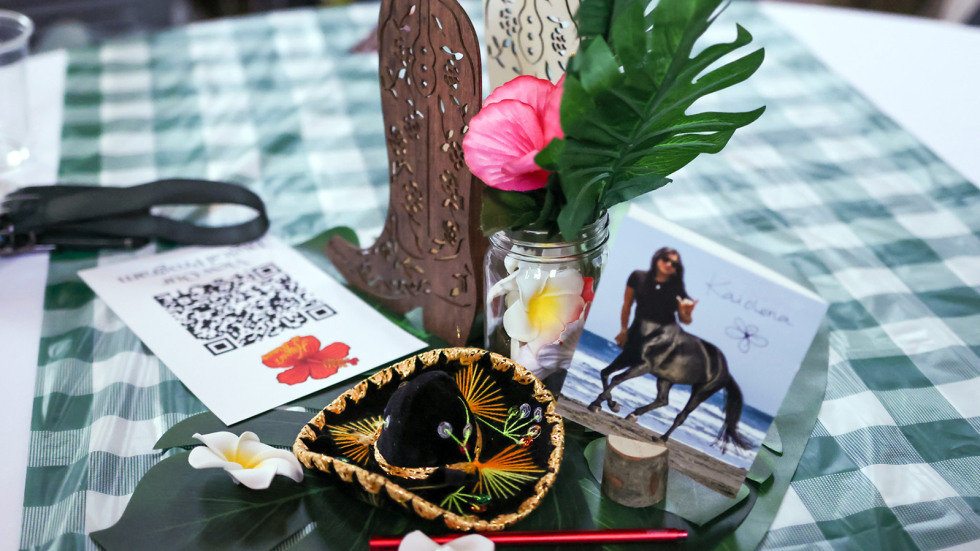
This year’s theme, paniolo, offered a lens into a lesser-known but significant part of Hawaiian history, according to the event organizers. After cattle were introduced to Hawaiʻi in the late 18th century, Mexican vaqueros brought ranching knowledge that Native Hawaiians adapted to their own environment. Today, paniolo continue to carry those practices forward across the islands, maintaining a living tradition that bridges past and present.
“We’re providing a really authentic representation of what Hawaiian culture looks like,” said junior Skyler Recel-Chang, co-president of Hawai’i@Brown. “We want to remind people that these aren’t just stories or party themes — they’re real communities, real traditions and real histories that deserve to be understood and respected.”
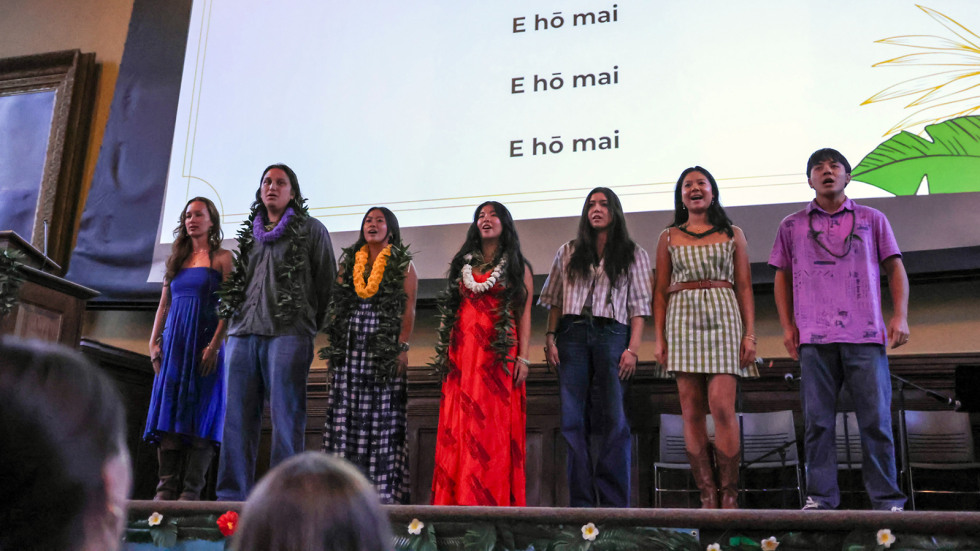
The lū’au opened with an 'oli, a traditional chant, followed by an educational presentation led by student organizers that introduced attendees to Hawaiian history, Indigenous identity and the broader cultural context behind the two.
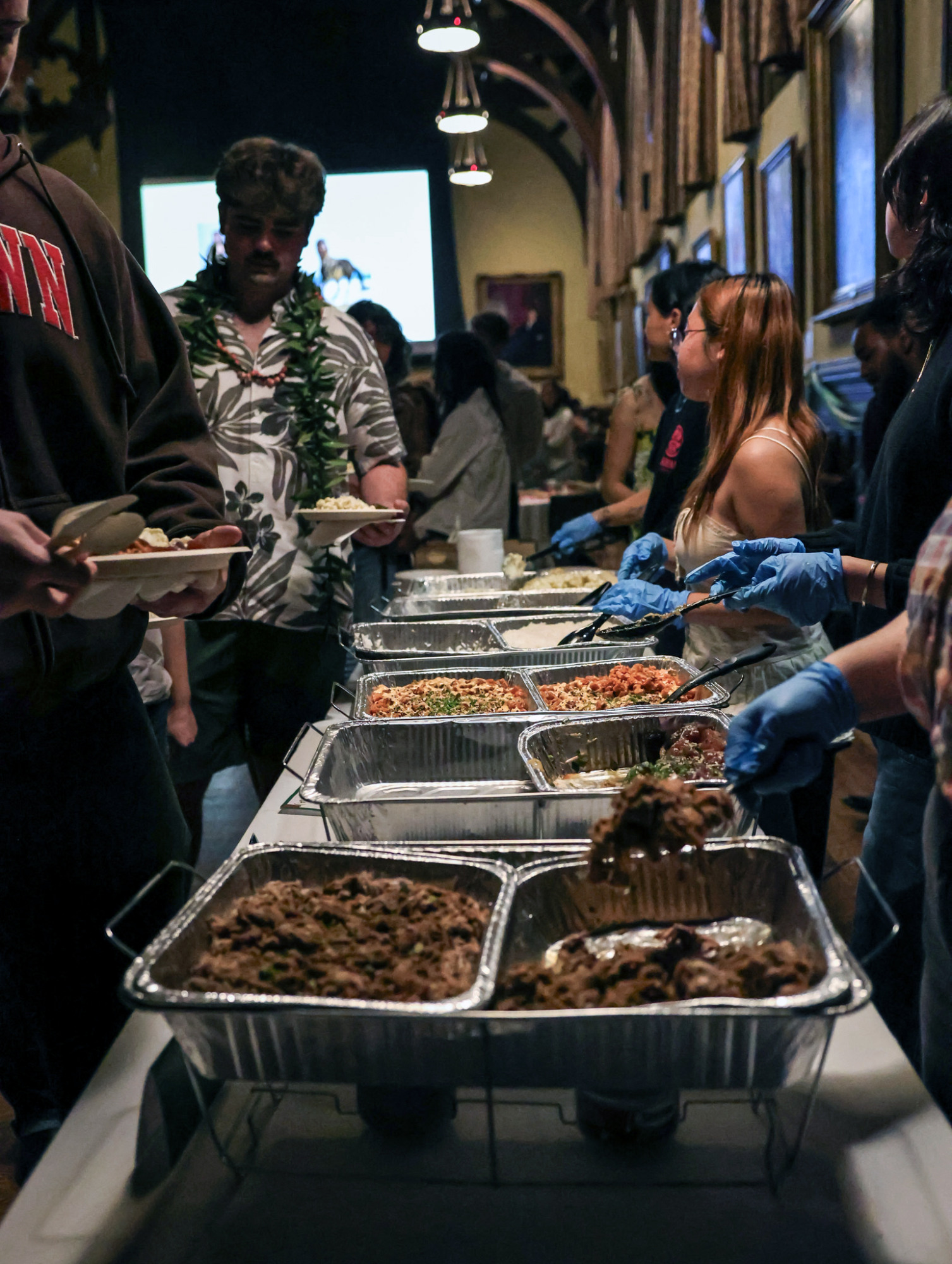
Guests filled their plates with dishes like kalua pork, poi, shoyu ahi poke, guava cake and haupia pudding catered by Mānoa Poke — one of a small number of Pacific Islander-owned restaurants operating in New England — and shared in a feast that reflected both traditional Hawaiian cuisine and the influences that have shaped it over time.
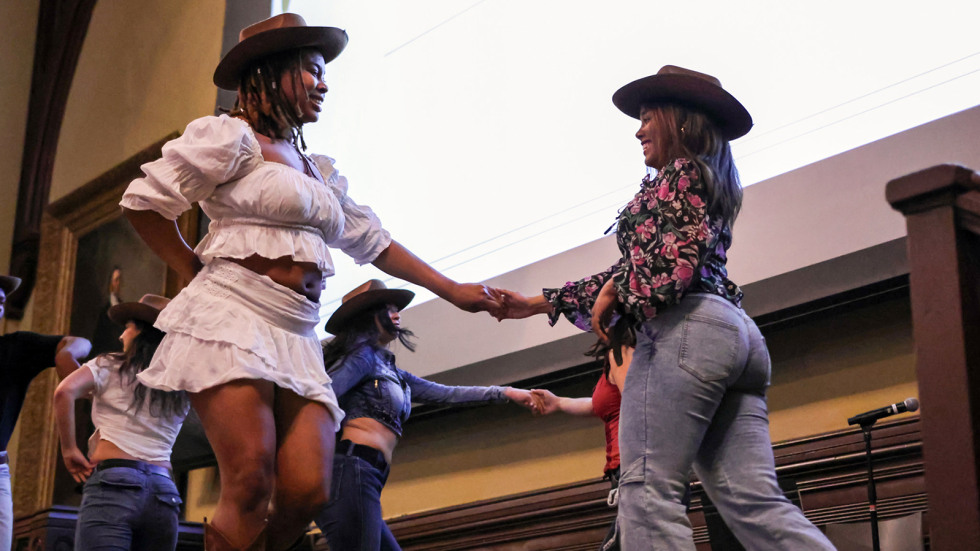
Throughout the night, that spirit of cultural exchange remained front and center, especially in a collaborative performance with Mezcla, a student-led Latin dance group at Brown, who choreographed a cowboy-themed routine set to a medley of Mexican regional songs.
Since its revival on campus in 2024, the Spring Lū’au has welcomed various student dance companies to join in the festivities. Those partnerships have become a highlight of the lū’au and a tradition that the club hopes to carry into the future, said Recel-Chang.
“We never want the lū’au to be exclusionary,” she said. “[Hawai’i@Brown’s] whole thing is that we want everyone to be able to come into this space and learn and grow alongside us, celebrating something that, until recently, hasn’t really had a space to be celebrated.”
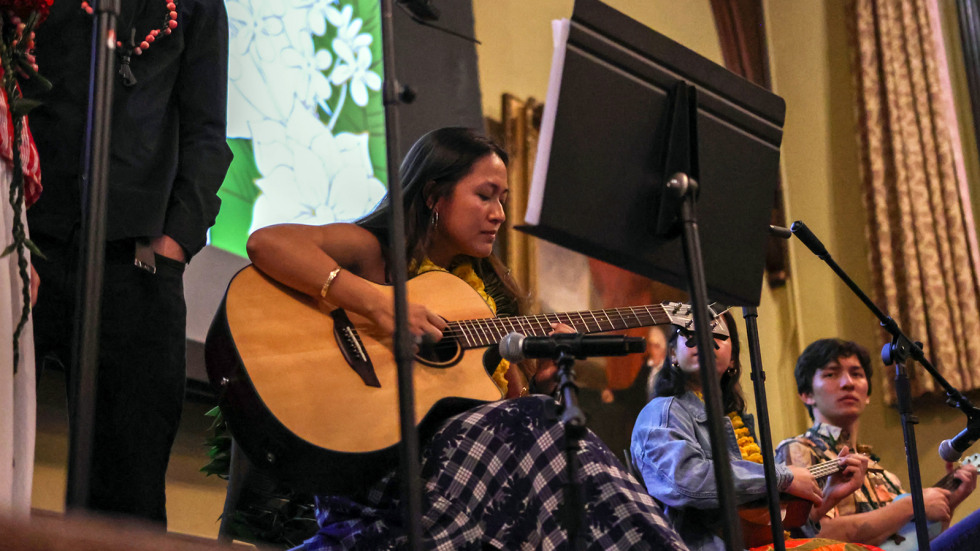
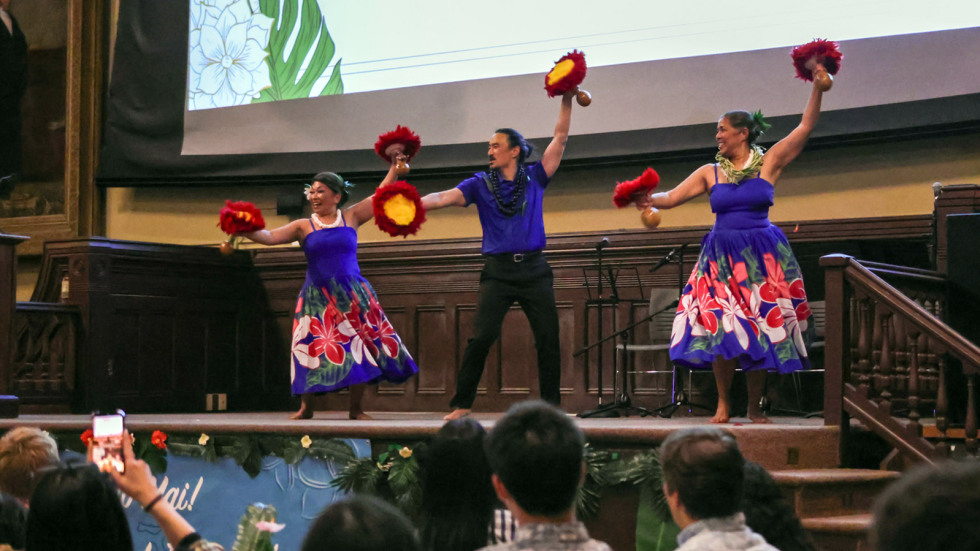
Throughout the night, students took the stage with hula performances that blended movement, chant and storytelling, and a kanikapila, which is a group jam session, gave student musicians the opportunity to share songs in the Native Hawaiian language, accompanied by guitar, ukulele and other traditional instruments.