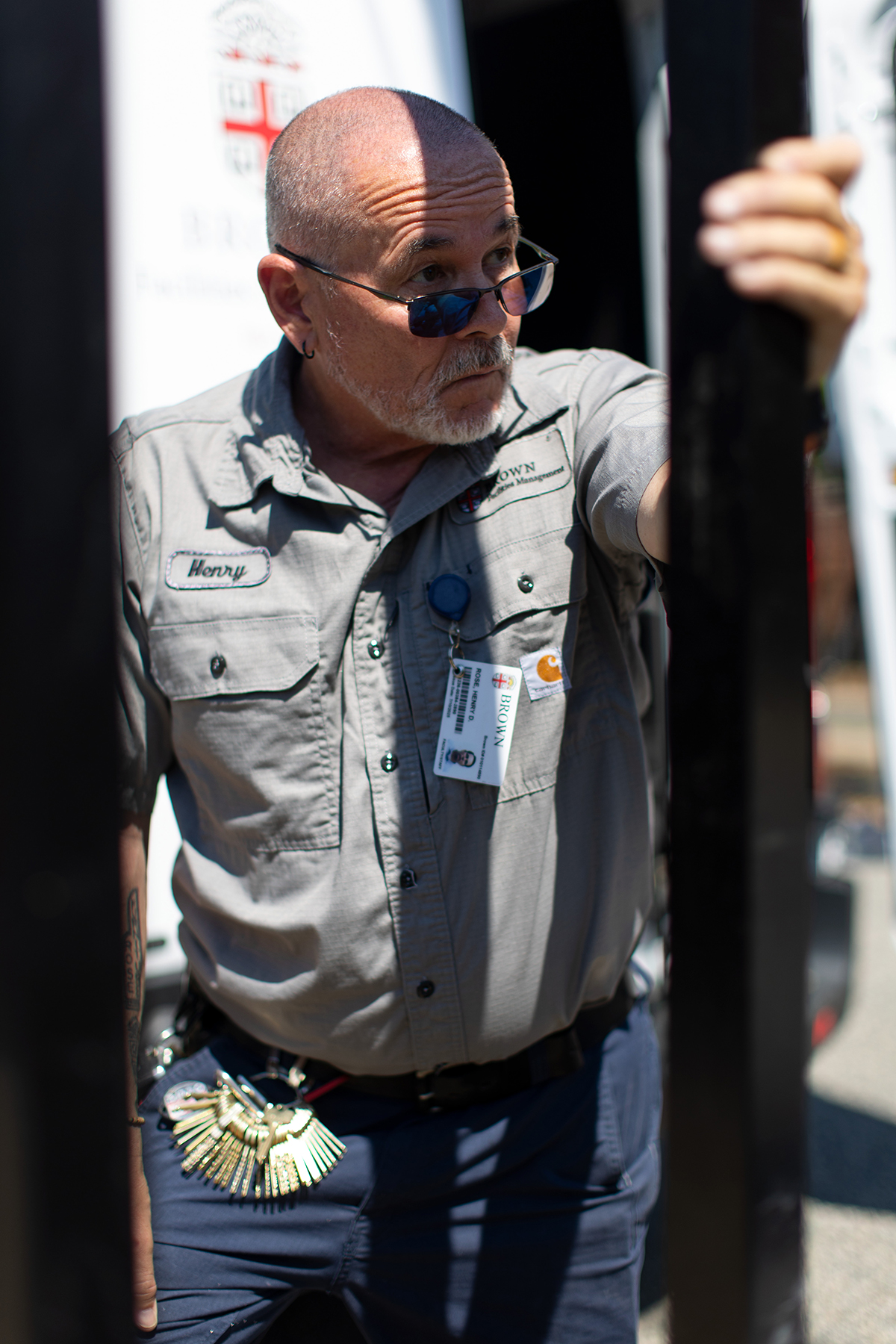
PROVIDENCE, R.I. [Brown University] — When Henry Rose joined Brown University as a custodian in 1999, he told his wife the job was temporary — a way to “make ends meet” while he figured out his next move. Rose was 34 and ready for a change after years in his family’s East Providence furniture business.
But what he found at Brown became far more than a temporary job.
Today, nearly three decades later, Rose is a structural trades specialist in the University’s Facilities and Campus Operations department. He works within Facilities Management Operations — one of three offices that make up the department — alongside electricians, plumbers, locksmiths, HVAC mechanics, custodians and other workers who maintain and repair buildings across Brown’s campus.
His path from cleaning campus buildings at night to a career in the structural trades was made possible in large part by a workforce development initiative led by Facilities Management that lets Brown employees explore the trades, build skills and prepare to compete for future job openings on campus.
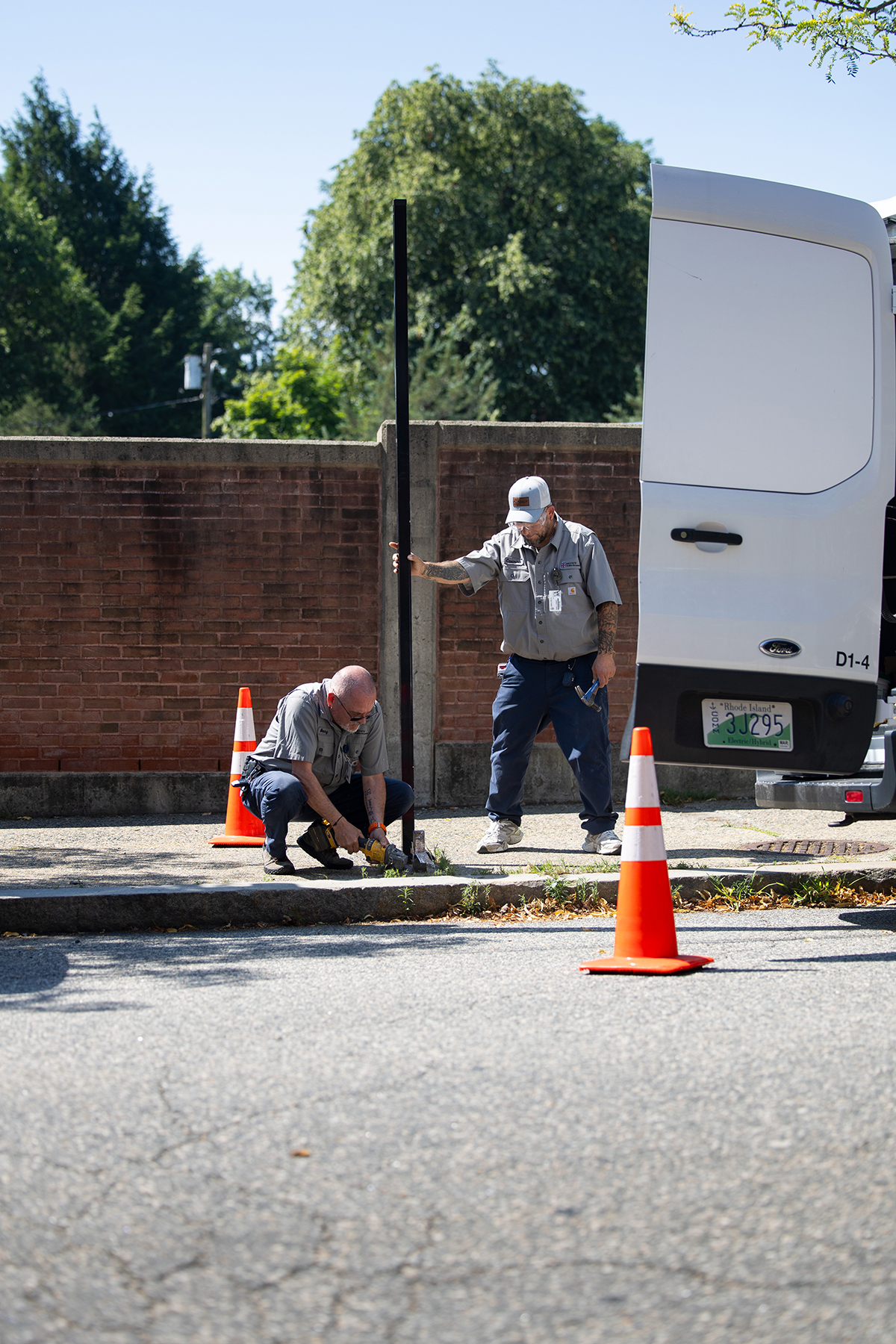
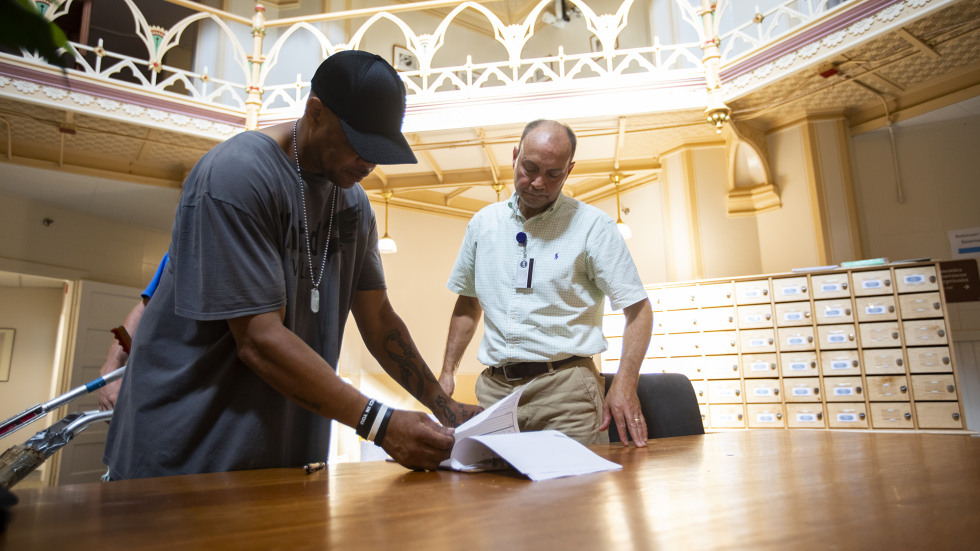
For several summers, Rose stepped away from his custodian role into other areas in Facilities Management to learn on the job from mentors, gaining skills in tool use, building repair and site safety. When an entry-level equipment mechanic position opened, his summer experiences had helped prepare him to compete for the job. He passed written and bench tests demonstrating his technical knowledge and competency with tools, landed the position and eventually advanced to his current role in structural trades.
Rose said the opportunity to learn at Brown isn’t reserved just for students; employees, too, can build new skills and pursue new directions in their careers.
“Brown is a learning institution — and they will teach you,” Rose said. “You can come in, work your way up and improve yourself.”
Rose’s experience reflects a longstanding commitment within Facilities Management to employee development. For decades, the department has invested in training and career development programs that help staff build skills, explore new fields and compete for jobs offering different schedules, higher pay and greater responsibility. Dating to the 1980s, the summer training program alone has reached hundreds of employees.