Date December 3, 2025
Media Contact

Brown provided $41 million in voluntary payments, community contributions to Providence in FY25

The University made $11.1 million in direct voluntary payments to the city, and its community contributions for K-12 education, nonprofit organizations and other local priorities were valued at $30.2 million.

PROVIDENCE, R.I. [Brown University] — Brown University made community contributions to the City of Providence valued at $30.2 million in Fiscal Year 2025, directly supporting local priorities including economic growth, K-12 education and medical care for residents. With an additional $11.1 million in direct voluntary monetary payments, the total financial value of Brown’s payments and contributions to the city was $41.3 million for the period of July 1, 2024, through June 30, 2025.

The release of community contributions data from Brown and the city’s other higher education institutions on Wednesday, Dec. 3, marks the second annual report since a set of agreements in 2023 established Providence’s colleges and universities among the nation’s most significant voluntary financial contributors to the city in which they operate. As part of those agreements, Brown committed to contribute nearly $175 million in direct voluntary payments through a shared memorandum of understanding (MOU) between the city and the four schools, and a separate memorandum of agreement between Brown and the city. In addition, Brown and the other schools jointly pledged to make annual community contributions equal to or greater than their voluntary payments through the MOU.

Vice President for Community Engagement Mary Jo Callan said that Brown’s local impacts are rooted in reciprocal relationships with Providence organizations, leaders and residents.

“Brown’s positive impact in the community is powered by mutually beneficial partnerships,” Callan said. “They reflect what we know to be true: Many of our greatest achievements come through collaboration with the communities across Providence. From sponsored research to community programs, working together to advance common goals strengthens our impact on the city, its residents and our local communities.”

The data from each of the schools was published on a city website, and Brown detailed its specific contributions in a report that provides an in-depth look at the ways the University supports the city it calls home.
Investing in research partnerships and community organizations

In Fiscal Year 2025, which ended June 30, the value of Brown’s community contributions ($30.2 million) increased significantly compared to FY24 ($11.9 million). In its second year of formally reporting data to the city, the University expanded its outreach to more than 120 units on Brown’s campus, resulting in a more comprehensive collection of information.

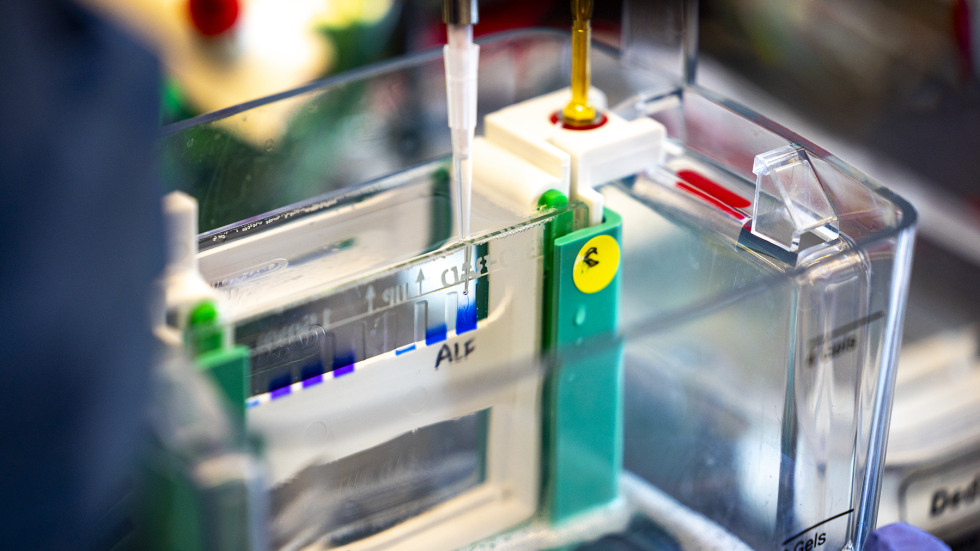
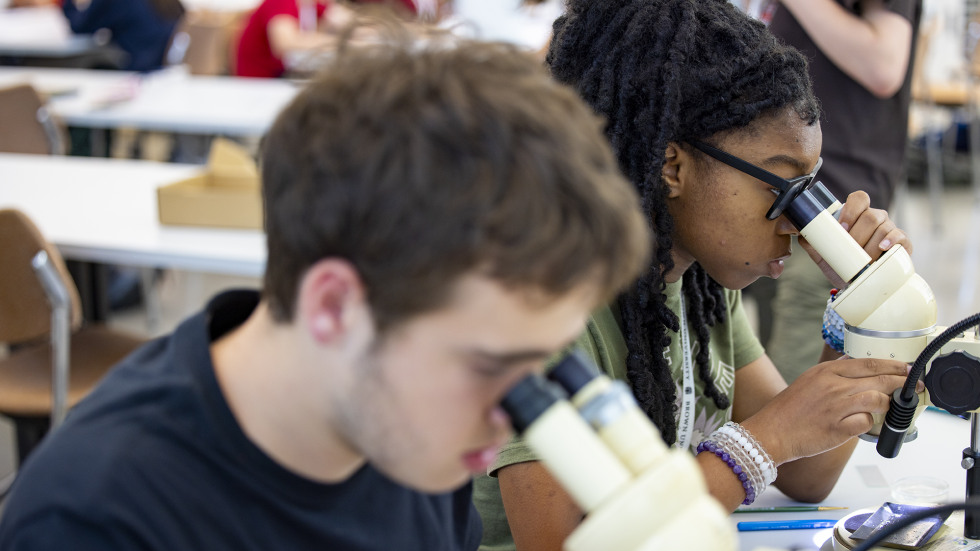
Brown also began tracking data stemming from its locally focused sponsored research activity. In FY25, that research funding — which directly supports city and public-serving nonprofits as sub-awardees on research grants Brown receives from federal agencies and major foundations — accounted for $16.9 million, or 57% of the value of the University’s community contributions. As sub-awardees, Brown’s local partners played an essential role in advancing research projects, contributing expertise to study design and engaging directly with community members in participant recruitment, among other roles. In FY25, these sub-awardees included, among other organizations, Amos House, Rhode Island College, the YMCA of Greater Providence, and hospitals across the Brown University Health and Care New England health systems.

Other contributions to city and public-serving nonprofits included collaborations and direct financial support for organizations across a range of key sectors, including education and youth development, arts and culture, social services and community and economic development. As one example, Brown’s School of Public Health launched a new fund that directly supports community academic research partnerships, furthering collaboration between Brown researchers and local organizations to develop public health interventions addressing pressing issues in Rhode Island.

Brown also contributed locally through in-kind donations of services, goods, physical space and other resources, which totaled $54,636 in FY25. As part of that support, the University expanded opportunities for community engagement this year by offering free workshops at the Community Libraries of Providence, hosting on-campus blood drives with the Rhode Island Blood Center and providing space for a community film screening during the Rhode Island Black Film Festival. 

Support for Providence students, schools and communities

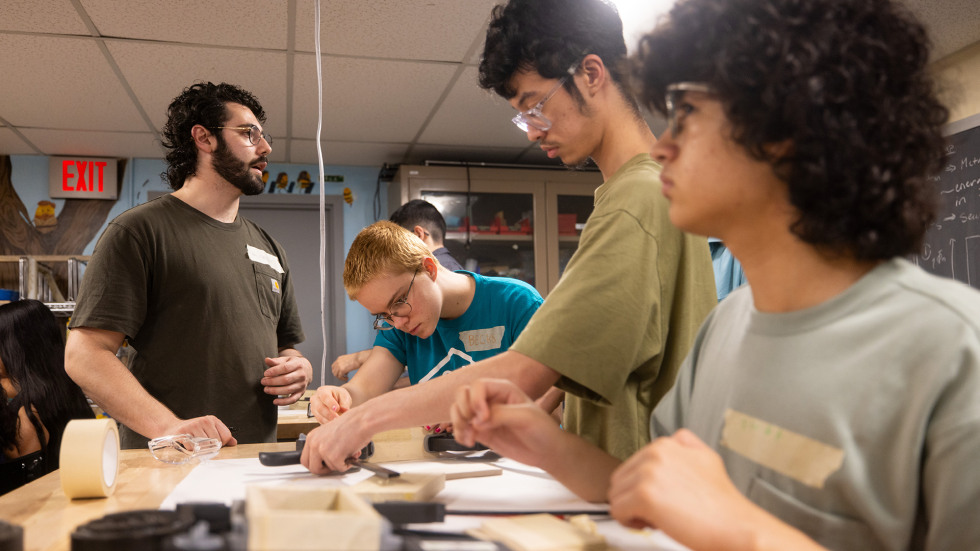
Brown’s commitment to Providence over the course of the year was reflected in its support for K–12 education, including scholarships for city residents, direct funding for Providence schools, and volunteer initiatives. This included $6.4 million in scholarships to Providence students in FY25, $1 million of which enabled 168 students from the Providence Public School District (PPSD) to participate in Brown’s Pre-College Programs. The scholarships sustained a three-year trend of increased PPSD participation in Pre-College Programs, strengthened by a new financial aid model introduced in 2023 that guarantees full scholarships to all admitted Providence public school students.

Separately, the Brown Collegiate Scholars Program completed its first year, enrolling 26 PPSD high school students as its inaugural cohort. The new initiative prepares cohorts of PPSD students for college by providing year-round academic support, college-preparation guidance and a dedicated support system that includes peers, advisors and mentors. Brown welcomed its second cohort in July 2025 and plans to enroll approximately 30 students each year.

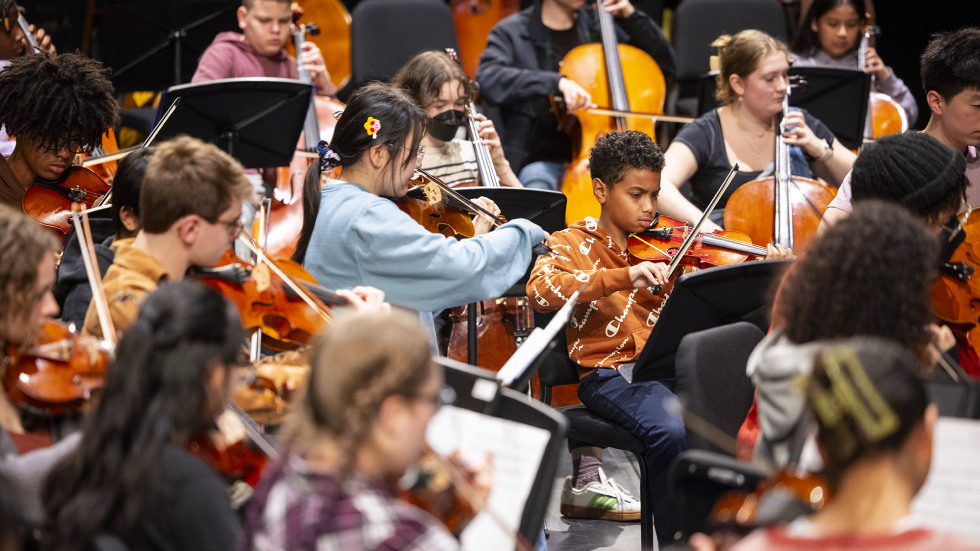
Additional scholarship funding, totaling $57,600, allowed 56 Providence students to join one of the University’s longest-standing K-12 programs: Brown Summer High School. Since 1969, the free, three-week summer enrichment program, led by Brown’s Department of Education, has empowered hundreds of Providence high schoolers to build academic confidence and extend their learning beyond the traditional school year. 

Beyond scholarships, Brown’s support for K-12 schools in Providence — from free tutoring and after-school programs, to research addressing urgent school district issues, to degree programs training future local educators — totaled $569,597. As part of disbursements from the University’s Fund for the Education of the Children of Providence, for example, eight PPSD high school libraries continued transformations by expanding book collections, modernizing spaces and supporting new learning opportunities for students, teachers and librarians through programs, author events and field trips.

In addition to direct financial contributions, Brown faculty, staff and students contributed nearly 70,000 volunteer hours — valued at $2.4 million — to the Providence community in FY25. Hundreds of Brown community members engaged with local nonprofits, contributing to meaningful, positive change for Rhode Islanders through after-school programs, tutoring and mentoring children, supporting refugees and people experiencing homelessness, providing health care, and contributing to arts and cultural events.

Brown paid $3.3 million in municipal property taxes, contributed $54,500 to support the revitalization of parks, sidewalks and shared green spaces, and provided $118,987 to local district management authorities. The University also invested in initiatives to enhance public spaces throughout Providence. Brown’s facilities management team maintains public walkways near the University, clearing snow and debris after storms and addressing other maintenance issues to keep neighboring streets clean year-round. In FY25, Brown spent $97,000 in public services and contributed another $50,000 to the Downtown Providence Parks Network. 

The University’s report breaks down the $30.2 million in FY25 community contributions based on the full set of categories outlined in the agreement between the city and its four colleges and universities.